

Differences Between Foam Fenders and Pneumatic Fenders
Both foam fenders and inflatable fenders are key equipment used in scenarios such as ships and docks to cushion impacts and protect facilities and hulls. However, they differ significantly in core structure, working principle, performance characteristics, and application scenarios.

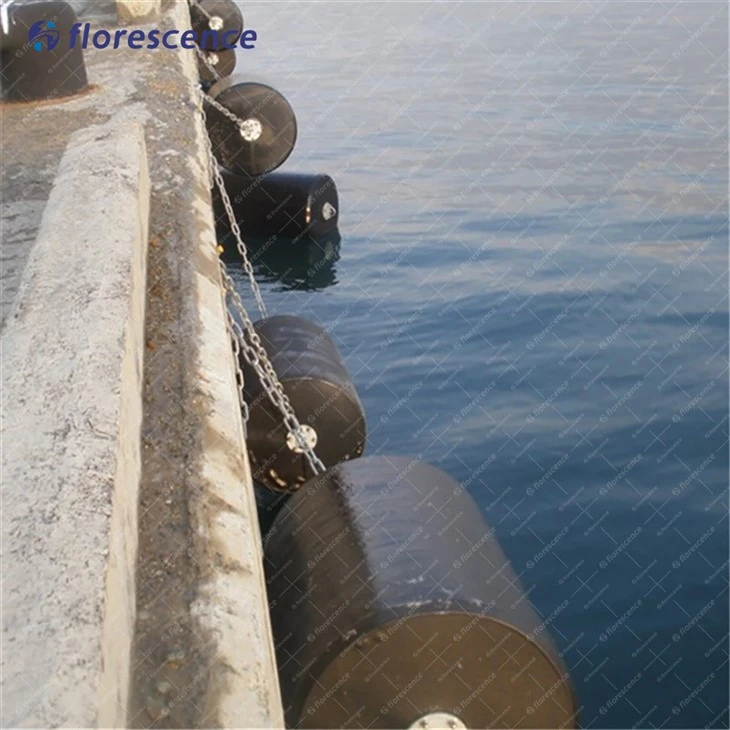
Foam fender also called solid fenders, they have a "sealed outer shell + solid foam filling" structure. The outer layer uses high-strength materials like PE, PU or rubber. It is wear-resistant, anti-aging and anti-corrosive, protecting the inner foam and transferring impact force. The inner closed-cell foam (e.g., polyethylene, polyurethane) has independent air bubbles. It keeps shape and cushioning without inflation, acting as "passive buffers".
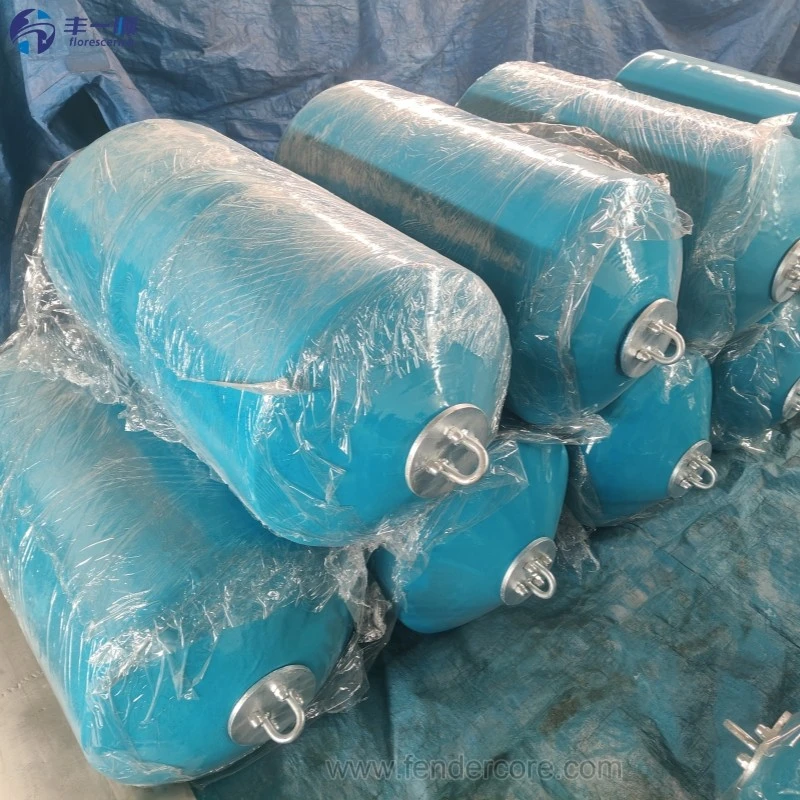
Pneumatic fender also known as inflatable Fenders, they feature a "flexible sealed cavity + high-pressure gas filling". The main body uses multi-layer synthetic fibers (nylon, polyester) as the frame, coated with rubber for airtightness. Before use, fill it with compressed air to expand to the desired shape. It absorbs impact via gas compression, working as "active pressure buffers". Some high-end models have double cavities for better safety and longer life.

Different usage scenarios
Typical Uses for Foam Fenders:
Fixed Docks & Berths
Small Ships & Fishing Vessels
Harsh Environments
Temporary Needs
Typical Uses for Inflatable Fenders:
Large Ships & Ocean Transport:
Floating Docks & Barges
Offshore Platforms
Temporary & Emergency Scenarios


Choose based on three factors: scenario needs, cost budget and maintenance ability.
In complex scenarios, use both. For example, foam fenders for basic protection and inflatable ones in high-impact areas. This balances performance and cost.