


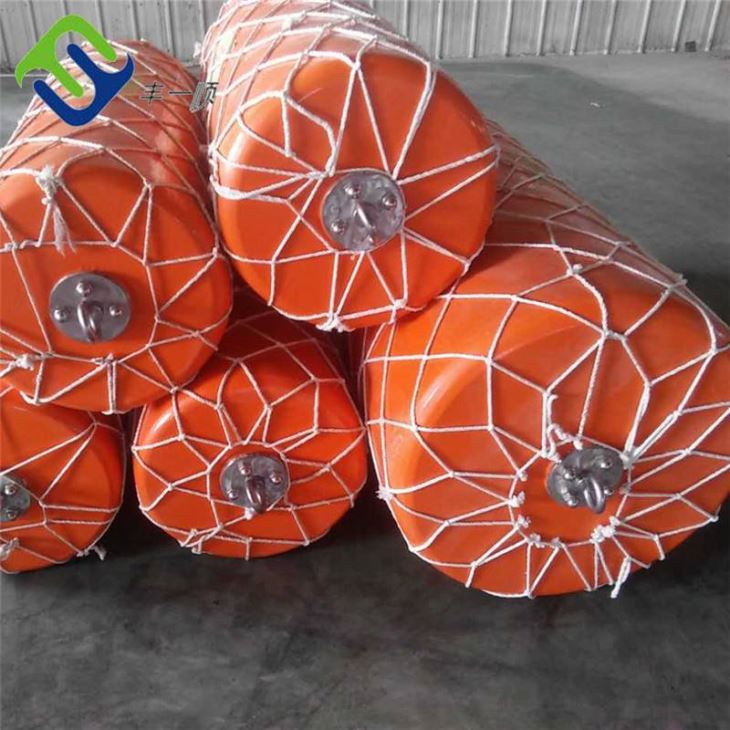


Introduction of polyurethane foam fender
The polyurethane foam fender is a structural marine fender consisting of a polyurethane outer protective layer and a resilient inner core made of polyethylene or plastic foam. During operation, it absorbs vessel impact energy via compressive deformation, thereby minimizing damage to both the wharf and the vessel.
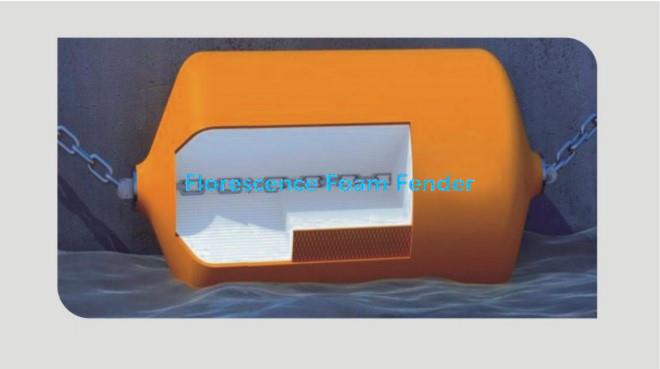
Application of foam fender
1. Tankers, Gas Carriers and Bulk Cargo Ships
2. Fast ferries and aluminum hulled vessels
3. Temporary of permanent installations
4. Rapid response and emergency fendering
5. As stand-off fenders to realign ships with shore facilities.


Features of foam fender
1. Reinforced Elastomer Skin
Foam-filled fenders are encased in a polyurethane skin reinforced with nylon filaments, boasting exceptional resistance to water, oil, ice, UV radiation and abrasion. Retaining its flexibility even at temperatures as low as -40°C (-40°F), it is well-suited for both tropical and arctic operating conditions.
2. High-Efficiency Energy Absorption
Foam-filled fenders absorb impact energy upon collision, effectively preventing damage to both the vessel and the berthing structure.
3. Unsinkable Closed-Cell Foam Core
EVA foam-filled fenders exclusively adopt closed-cell foam cores. The micro-bubble structure of the foam prevents water absorption-even when the fender is cut or damaged-rendering the fenders completely unsinkable.
4. Permanent, Fade-Resistant Colors
The polyurea outer skin is pigmented uniformly throughout its entire thickness, ensuring colors do not wear or fade and eliminating the need for repainting. A broad selection of bright, highly visible colors is available to enhance operational safety and facilitate quick identification.

Advantages of foam fender
1. Excellent Buoyancy
Superior floatability ensures installation locations are not affected by tidal fluctuations.
2. Low-Maintenance & Durable Design
Non-pneumatic construction eliminates risks of scratching and friction. Boasting outstanding resistance to seawater corrosion and high salt-alkali conditions, it delivers an extended service life of up to 15 years with no need for regular maintenance.
3. Enhanced Operational Safety
No risk of explosion, resulting in a higher safety factor.

Differences between EVA foam fenders and PVC fenders
|
Item |
EVA foam fender |
PVC fender |
|
Structure |
Foam Core+ Nylon Cord |
Polyvinyl Chloride PVC +Air Inside |
|
Service Life |
8-10 years |
3-4 years |
|
Feature |
Solid, unsinkable,Ultra-tough |
Hollow, easy to be ruptured |
|
Energy Absorbing |
High Energy absorbing,Low Reaction, Low hull pressures (just 172kN/m2) |
Not as good as foam filled fenders |
|
Safety |
Because of unsinkable design, they can provide constant protection for ships |
Because of easiness of rupturing, put ships in danger of collision |
|
Maintain |
Even at the end of their first service life they can be returned to the factory for refurbishment before going back to work |
Once broken stop working |
Hot Tags: polyurethane foam fender, China, suppliers, manufacturers, factory, price, boat dock protection fender, navy fender, offshore platform impact absorption fender, trimaran mooring fender, riverbank impact absorption fender, swimming area protection fender


