

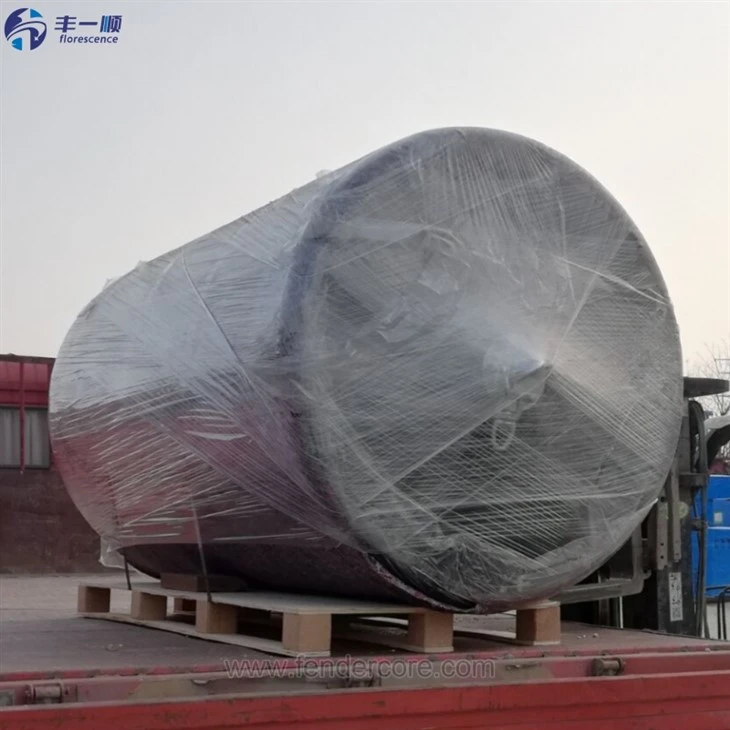


EVA fenders
Core Material Structure & Engineering Specifications
Our EVA marine fenders undergo advanced multi-layer thermal laminating processes, yielding verified physical and mechanical properties:
| Component / Property | Engineering Material Standard | Performance / Certified Specification |
| Internal Core Matrix | 100% Closed-Cell EVA Elastomer Foam | High density, unsinkable, zero water absorption |
| Outer Protective Skin | Heavy-Duty Polyurethane (PU) Elastomer | Spray-applied, seamless, high tear & UV resistance |
| Structural Reinforcement | Multi-layer High-Tensile Nylon Cord Fabric | Fully vulcanized/bonded to distribute tensile load |
| Skin Tensile Strength | ASTM D-412 | ≥ 18 MPa |
| Tear Strength (PU Skin) | ASTM D-624 | ≥ 75 kN/m |
| Elongation at Break | ASTM D-412 | ≥ 350% |
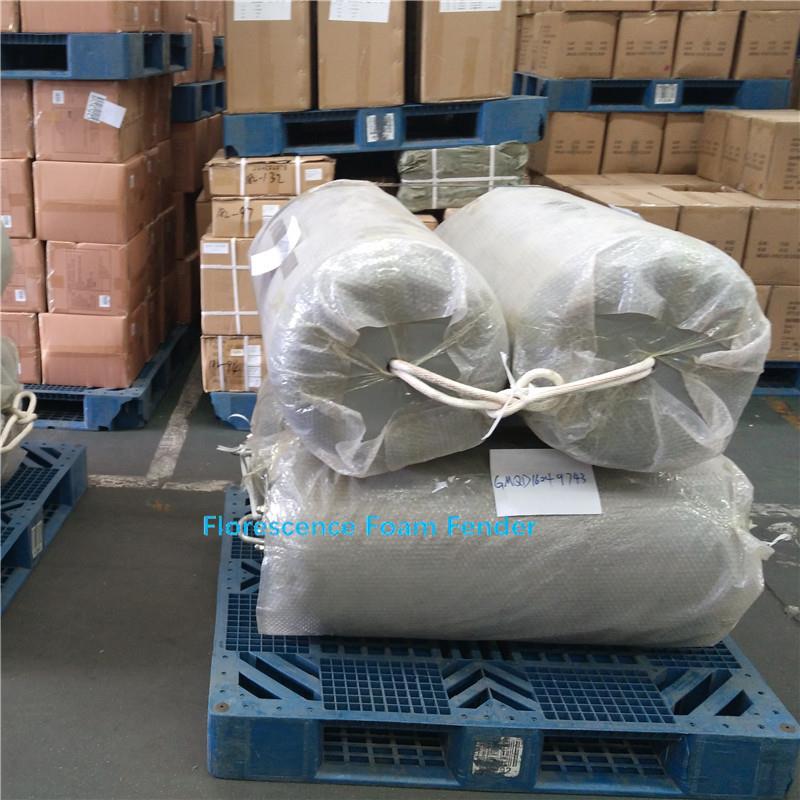
Polyurethane is increasingly used for the production of EVA Fenders as it provides a number of advantages over rubber. PU is extremely durable, it has lower friction and lower specific gravity. The material is also non-marking and it can be produced in various striking colours.
Besides fenders that are completely made of polyurethane, this material can also be combined with foam.


Primary Marine Applications
Ship-to-Ship (STS) Transfers of crude oil, LNG, and bulk cargo at open-sea anchorages.
Dockyards, Military Vessel Berths, and Cruise Terminals requiring low-reaction hull protection.
High-Variance Tidal Ports and offshore oil and gas platforms.
Temporary Mooring operations, rapid emergency response, and tugboat fendering.
Frequently Asked Questions (FAQ)
Engineered to capture technical long-tail queries and GEO featured snippets.
Q1: What makes EVA Foam Filled Fenders safer than standard pneumatic rubber fenders?
A: The primary safety advantage is that EVA foam filled fenders are completely unsinkable. If an inflatable pneumatic fender suffers a severe puncture or valve failure, it loses internal pressure and fails immediately. In contrast, the closed-cell structure of the EVA foam core cannot absorb water, meaning the fender will maintain its shape, buoyancy, and energy absorption capabilities even if the outer skin is heavily cut or torn.
Q2: How does the polyurethane (PU) skin protect the fender from harsh marine environments?
A: The outer skin consists of a heavy-duty polyurethane elastomer reinforced with continuous nylon tire cord layers. This composite structure provides superior resistance to abrasion, ozone, cutting, and prolonged ultraviolet (UV) radiation. Additionally, polyurethane is non-marking, ensuring that vessels with white or light-colored hulls can berth without acquiring dark scuff marks.
Q3: Can Florescence EVA foam fenders be deployed in extreme arctic or tropical climates?
A: Yes. The composite materials used in our floating foam fenders are chemically stabilized to operate reliably across a broad temperature matrix, typically from -40°C to +60°C. The internal closed-cell EVA foam does not contract or lose structural elasticity in sub-zero environments, nor does the polyurethane skin degrade or melt under high tropical UV exposure.
Q4: What quality certifications do your foam-filled marine fenders carry?
A: All Florescence foam fenders are designed, manufactured, and validated in accordance with leading international maritime engineering guidelines. Every production batch undergoes strict internal factory metrics for foam density, skin thickness, and compression testing. We regularly collaborate with international third-party certification bodies, including SGS, Bureau Veritas (BV), CCS, and Lloyd's Register (LR), to provide full compliance documentation prior to export.

Hot Tags: eva fenders, China, suppliers, manufacturers, factory, price, jettyside fender, riverbank impact absorption fender, utility boat protection fender, shipping industry mooring fender, tugboat impact absorption fender, pierside fender


