

Hey there! I'm a supplier of Caisson Airbags, and today I wanna share with you how I transport these nifty things.
First off, let's talk a bit about what Caisson Airbags are. They're these super - useful inflatable devices made of high - strength rubber materials. You can check out more details about them on our website Caisson Airbags. They're commonly used in marine engineering, like launching and moving caissons, which are large watertight structures used in construction.
When it comes to transporting Caisson Airbags, the first step is proper packaging. We make sure to wrap each airbag in a tough, protective material. This not only keeps the airbag safe from scratches and minor damages during transit but also helps in preventing any dust or dirt from getting on it. The packaging also needs to be well - labeled. We put on clear labels that show the size, model, and any special handling instructions for the airbag.
Now, the choice of transportation method is crucial. There are a few options available, and each has its own pros and cons.
Road Transportation
This is one of the most common ways to transport Caisson Airbags. Trucks are our go - to vehicles. The great thing about road transport is its flexibility. We can directly deliver the airbags to the customer's site, no matter how remote it is.
Before loading the airbags onto the truck, we have to be really careful. We stack them in an organized way to make sure they don't shift during the journey. If they move around too much, they could get damaged. We also use straps and ropes to secure the airbags tightly to the truck bed. This prevents any kind of movement that could lead to abrasions or even punctures.
However, road transport does have its limitations. There are weight and size restrictions on trucks. If we're transporting a large number of big - sized Caisson Airbags, we might need to make multiple trips. Also, long - distance road transport can be affected by traffic jams, bad weather, and road conditions. For example, if there's heavy snow or a big pothole on the road, it could delay the delivery or even cause damage to the airbags.
Rail Transportation
Rail transport is another option for us. It's great for long - distance shipping. Trains can carry a large volume of Caisson Airbags at once, which is cost - effective for us and our customers.

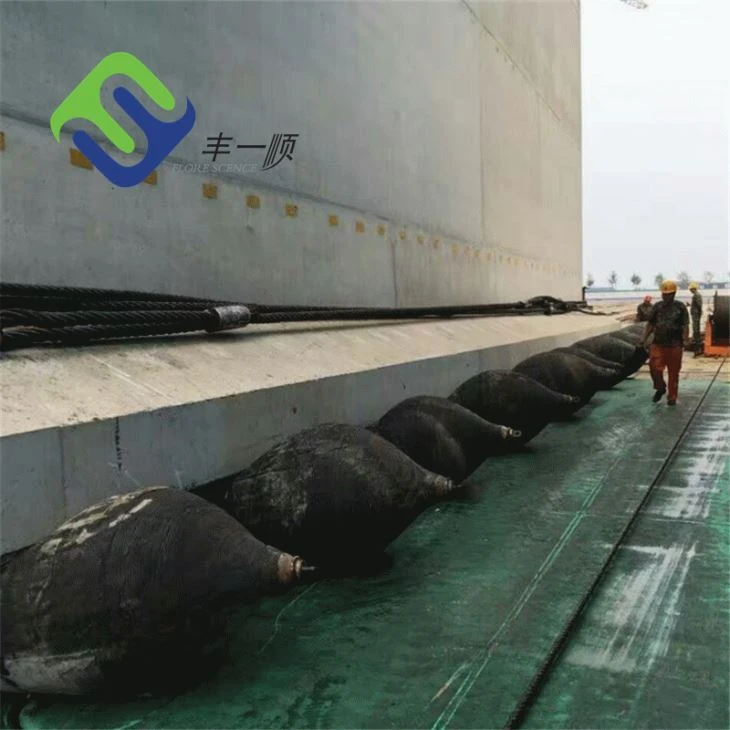
When using rail transport, we load the airbags into special containers. These containers are designed to protect the airbags from the elements and any external impacts. Just like with trucks, we make sure the airbags are properly secured inside the containers.
But rail transport isn't without its issues. It lacks the door - to - door delivery convenience of road transport. The customer usually has to pick up the airbags from a railway station, which can be a hassle. Also, the schedule of trains is fixed, so it might not be as flexible as road transport.
Sea Transportation
If our customers are located overseas or in a different coastal area, sea transportation becomes a viable option. We use shipping containers to transport the Caisson Airbags by sea. These containers are designed to withstand the harsh marine environment, protecting the airbags from saltwater, strong winds, and rough waves.
Before loading the containers onto the ship, we conduct a thorough inspection of both the containers and the airbags. We make sure everything is in good condition and properly packed. Once on the ship, the containers are stowed in a way that maximizes space and stability.
Sea transport is relatively slow compared to road and rail, but it can handle a huge quantity of airbags. It's also affected by weather conditions at sea. Storms and rough seas can cause delays and might even pose a risk to the safety of the cargo.
Special Considerations
Regardless of the transportation method, we always keep an eye on the temperature and humidity. Extreme temperatures can affect the rubber material of the Caisson Airbags. High temperatures can make the rubber softer and more prone to damage, while low temperatures can make it brittle. We try to maintain a suitable environment during transit, and if necessary, we use climate - controlled containers.
Also, we have to follow all the relevant regulations and safety standards. This includes proper documentation for the transportation of goods. We need to have the right shipping papers, customs documents (if it's an international shipment), and safety certificates for the airbags.
Another thing we consider is insurance. We always make sure to have proper insurance coverage for the Caisson Airbags during transportation. This gives us and our customers peace of mind, knowing that if something goes wrong, we're covered.
Now, if you're in the market for Caisson Airbags or related products like Culvert Rubber Balloon or Rubber Balloon, we're here to help. We've got a wide range of high - quality products, and we know how to transport them safely and efficiently. If you're interested in purchasing, just reach out to us, and we can have a chat about your specific needs and how we can meet them.
References
- General knowledge of marine engineering and transportation logistics.
- Industry standards and best practices for transporting rubber inflatable products.