

Foam filled fenders have become a popular choice for boat owners due to their durability, buoyancy, and cost - effectiveness. As a supplier of foam filled fenders, I often get asked whether these fenders can be used on sailboats. In this blog post, I'll explore the suitability of foam filled fenders for sailboats, looking at their advantages, limitations, and important considerations.
Advantages of Foam Filled Fenders for Sailboats
1. Buoyancy
One of the most significant advantages of foam filled fenders is their excellent buoyancy. Sailboats, especially those used for long - distance cruising or racing, need fenders that can stay afloat even in rough waters. Foam filled fenders, with their high - density foam cores, are naturally buoyant. This means they will not sink if they fall overboard, which is crucial for maintaining the safety and integrity of the boat. For example, when a sailboat is docked in a tidal area, the changing water levels can cause fenders to shift. A foam filled fender will remain floating, providing continuous protection against the dock or other vessels.
2. Durability
Sailboats are often exposed to harsh marine environments, including strong winds, saltwater, and UV radiation. Foam filled fenders are highly resistant to these elements. The outer covering of these fenders is typically made of a tough, abrasion - resistant material such as PVC or polyurethane, which can withstand the constant rubbing against docks, pilings, and other boats. The foam core inside is also protected from water absorption, preventing rot and degradation over time. This durability ensures that the fenders will last for many seasons, providing reliable protection for the sailboat.
3. Impact Absorption
When a sailboat is docking or mooring, it can experience significant impacts. Foam filled fenders are designed to absorb and disperse these impacts effectively. The foam inside the fender compresses upon contact, reducing the force transferred to the boat's hull. This helps to prevent damage to the boat's paintwork, gelcoat, and structural components. Whether it's a gentle bump against a dock or a more forceful impact in rough weather, foam filled fenders can provide the necessary cushioning.
4. Cost - Effectiveness
Compared to some other types of fenders, foam filled fenders are relatively affordable. They offer a good balance between quality and price, making them an attractive option for sailboat owners on a budget. Additionally, their long lifespan means that you won't have to replace them as frequently as some other fenders, further reducing the overall cost of ownership.
Different Types of Foam Filled Fenders for Sailboats
1. Polyurethane Foam Fender
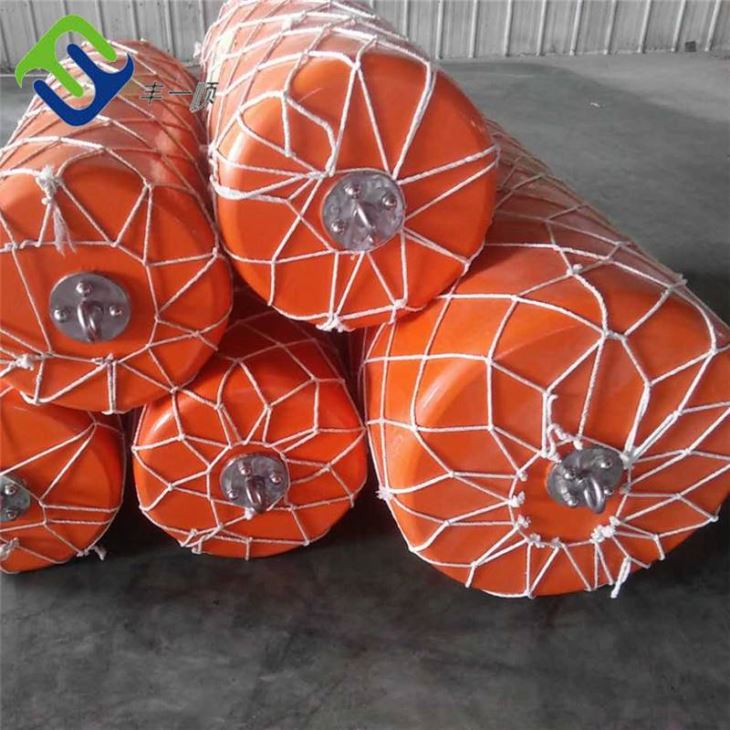
Polyurethane foam fenders are known for their high - performance characteristics. They have excellent impact resistance and can withstand extreme temperatures. The outer layer of a Polyurethane Foam Fender is usually very tough, providing superior protection against abrasion. These fenders are often used on larger sailboats or those that are subject to more demanding conditions.

2. EVA Fenders
EVA (Ethylene - Vinyl Acetate) fenders are lightweight and flexible. They are easy to handle and install on sailboats. EVA fenders offer good shock absorption and are resistant to chemicals and UV rays. Their soft texture also makes them gentle on the boat's hull. You can find a variety of EVA Fenders in different shapes and sizes to suit various sailboat designs.
3. Floating Foam Fenders
Floating foam fenders are specifically designed to stay afloat. They are ideal for sailboats that are moored in areas with changing water levels or strong currents. These fenders can be easily adjusted to the appropriate height, ensuring continuous protection for the boat. You can explore more about Floating Foam Fenders on our website.
Limitations of Foam Filled Fenders
1. Limited Compression Range
While foam filled fenders are effective at absorbing impacts, they do have a limited compression range compared to some other types of fenders, such as pneumatic fenders. In situations where extremely high - energy impacts are expected, foam filled fenders may not be able to compress enough to fully absorb the force. However, for most normal docking and mooring situations on sailboats, this is not usually a significant issue.
2. Size and Shape Constraints
Foam filled fenders come in a variety of standard sizes and shapes. While this offers a wide range of options, it may not always be possible to find a fender that perfectly matches the unique contours of a sailboat's hull. In some cases, custom - made fenders may be required, which can be more expensive and time - consuming to produce.
Considerations When Using Foam Filled Fenders on Sailboats
1. Size and Number of Fenders
The size and number of fenders you need for your sailboat depend on several factors, including the size of the boat, the type of docking or mooring conditions, and the expected impact forces. As a general rule, larger sailboats will require larger and more fenders. You should also consider the distribution of the fenders along the hull to ensure even protection.
2. Installation
Proper installation of foam filled fenders is crucial for their effectiveness. They should be securely attached to the boat using appropriate hardware, such as ropes, straps, or brackets. Make sure that the fenders are positioned at the correct height and angle to provide maximum protection against impacts.
3. Maintenance
Although foam filled fenders are relatively low - maintenance, they still require some care. Regularly inspect the fenders for any signs of damage, such as cracks, tears, or worn areas. Clean the fenders with mild soap and water to remove dirt, salt, and other debris. If any damage is detected, repair or replace the fenders as soon as possible.
Conclusion
In conclusion, foam filled fenders can be an excellent choice for sailboats. Their buoyancy, durability, impact absorption, and cost - effectiveness make them well - suited for the unique needs of sailboat owners. While they do have some limitations, these can be managed with proper selection, installation, and maintenance. If you're a sailboat owner looking for reliable fenders that will provide long - lasting protection, consider our range of foam filled fenders.
If you're interested in purchasing foam filled fenders for your sailboat or have any questions about our products, please don't hesitate to contact us for a detailed discussion. We're here to help you find the perfect fenders for your specific requirements.
References
- Marine Fender Handbook, published by a leading marine industry association.
- Journal of Marine Engineering and Technology, various articles on fender technology and performance.