

Are salvage airbags legal to install? That's a question I get asked a lot as a salvage airbag supplier. And let me tell you, it's not a simple yes or no answer. There are a bunch of factors to consider, so let's dig into it.
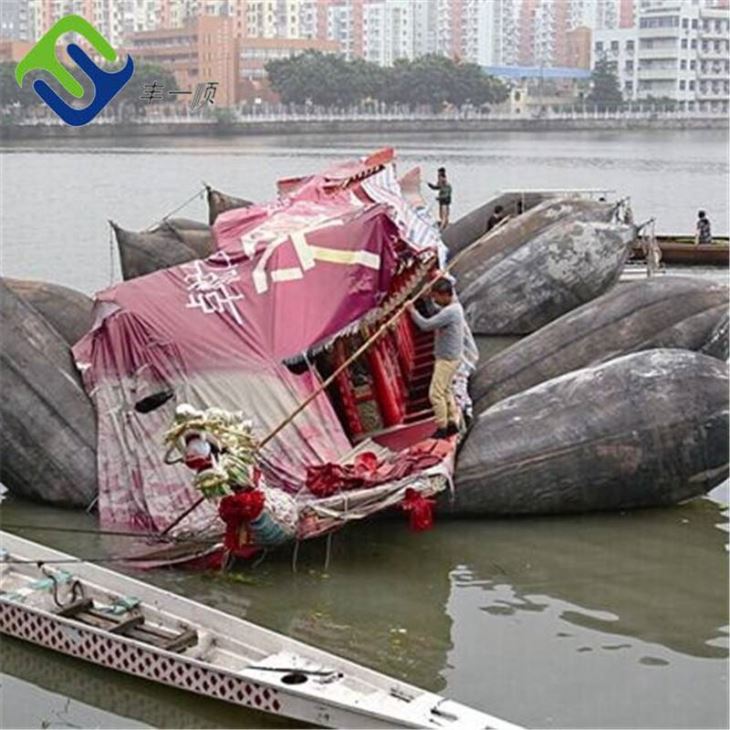
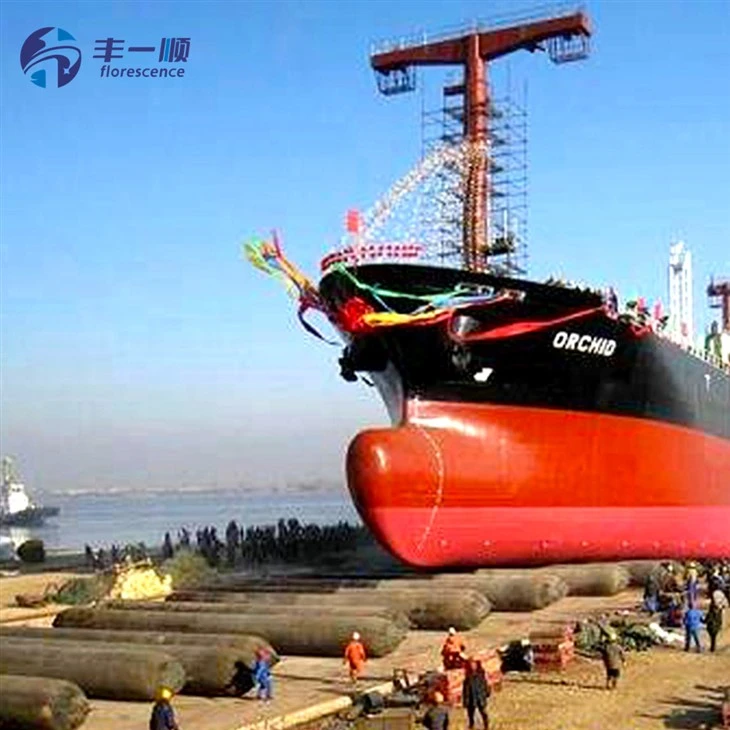
First off, what are salvage airbags? Well, they're these tough, inflatable devices used in all sorts of marine salvage operations. You've got Marine Salvage Airbag, Marine Lifting Salvage Airbag, and Ship Salvage Airbag. These things are super handy for lifting sunken ships, moving heavy objects in the water, and even helping with beach landings of vessels.
Now, the legality part. In most places, salvage airbags themselves aren't illegal. But installing them? That's where things get a bit tricky. It all boils down to safety regulations and compliance. Different countries and regions have their own rules about marine salvage operations, and airbag installation is no exception.
For instance, in the United States, the Coast Guard has strict guidelines for any kind of salvage work. They want to make sure that the airbags are properly designed, tested, and installed to prevent any accidents. If you're using salvage airbags for a big ship salvage project, you'll likely need to get approval from the relevant authorities before you start installing them. This usually involves submitting detailed plans about the airbag system, including its capacity, installation method, and how it'll be monitored during the operation.
In Europe, the situation is similar. The European Union has a set of maritime safety regulations that apply to salvage operations. These regulations aim to protect the environment, the crew, and the public. So, if you're thinking about installing salvage airbags in European waters, you've got to make sure you're following all the rules. You might need to work with a certified engineer or a salvage company that has experience with airbag installations to ensure everything is up to code.
But it's not just about following the law for the sake of it. Safety is the real deal here. Salvage airbags are under a lot of pressure during operation. If they're not installed correctly, they could fail, leading to serious consequences. A failed airbag could cause a ship to sink further, damage the environment, or even put lives at risk. That's why it's so important to have trained professionals handle the installation.
Another thing to consider is the quality of the airbags. Not all salvage airbags are created equal. You want to make sure you're using high - quality airbags that are built to last. As a supplier, I always recommend choosing airbags that have been tested to international standards. This gives you an extra layer of confidence that the airbags will perform as expected during the installation and the salvage operation.
Let's talk about the installation process itself. It's not something you can just do on a whim. First, you need to assess the situation. You've got to figure out the weight and size of the object you're trying to salvage, the depth of the water, and the condition of the seabed. This information will help you determine the number and type of airbags you need.
Once you've got all that sorted, the installation team will start positioning the airbags. This often involves using special equipment like cranes or winches to lower the airbags into place. The airbags need to be placed evenly and securely to distribute the weight properly. Then, they're inflated to the correct pressure. This has to be done carefully, as over - inflating or under - inflating the airbags can cause problems.
During the installation, it's crucial to have a monitoring system in place. This could be as simple as pressure gauges on the airbags or more advanced sensors that can detect any changes in the airbag's condition. If there are any signs of trouble, like a sudden drop in pressure or a visible defect in the airbag, the operation should be stopped immediately.
Now, if you're in the market for salvage airbags and you're wondering about the legal and installation aspects, don't worry. As a supplier, I've got a lot of experience in this field. I can help you understand the regulations in your area and guide you through the installation process. I've worked with many clients around the world, from small salvage companies to large shipping corporations, and I know how to navigate the legal and safety requirements.
Whether you're looking for Marine Salvage Airbag, Marine Lifting Salvage Airbag, or Ship Salvage Airbag, I can provide you with the right products and advice. We offer a wide range of airbags in different sizes and capacities to suit your specific needs.
If you're interested in purchasing salvage airbags or have questions about their installation, feel free to reach out. I'm here to help you make the right decisions and ensure that your salvage operation is a success. Just remember, when it comes to salvage airbag installation, safety and compliance are key.
In conclusion, salvage airbags are legal in most cases, but installing them requires careful planning, compliance with regulations, and a focus on safety. By working with a reliable supplier and following the proper procedures, you can use salvage airbags effectively and legally for your marine salvage projects.
If you're ready to take the next step and start your salvage project, don't hesitate to contact me. I'll be more than happy to discuss your requirements, provide you with a quote, and offer any support you need throughout the process. Let's work together to make your salvage operation a smooth and successful one.
References:
- United States Coast Guard - Maritime Safety Regulations
- European Union Maritime Safety Agency - Maritime Safety Guidelines
- International Maritime Organization - Salvage Operation Standards