

As a seasoned supplier of Sling Pneumatic Fenders, I've witnessed firsthand the critical role these fenders play in marine applications. One of the most frequently asked questions by our customers is about the inflation pressure standard for Sling Pneumatic Fenders. In this blog post, I'll delve into the details of this crucial topic, shedding light on the factors that influence inflation pressure and the recommended standards to ensure optimal performance.
Understanding the Basics of Sling Pneumatic Fenders
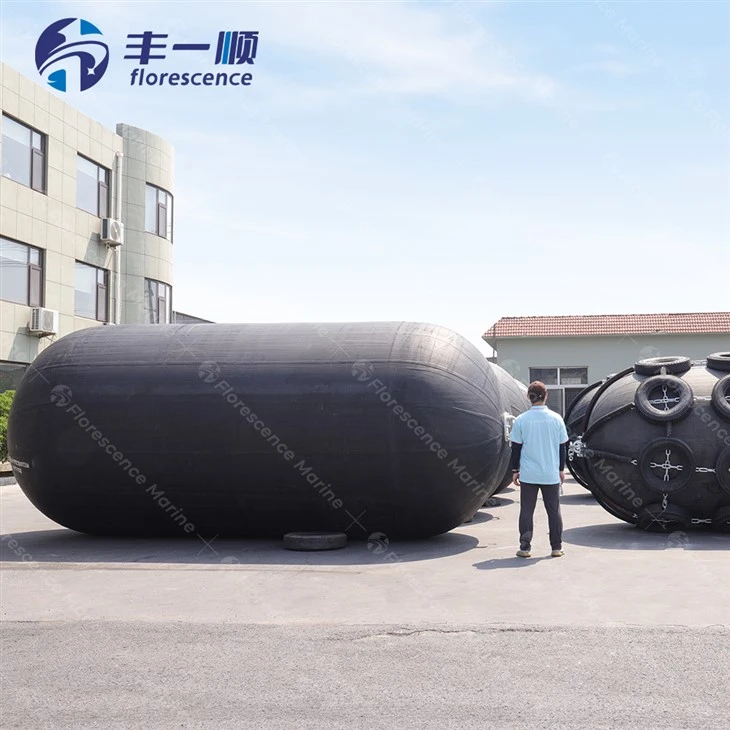
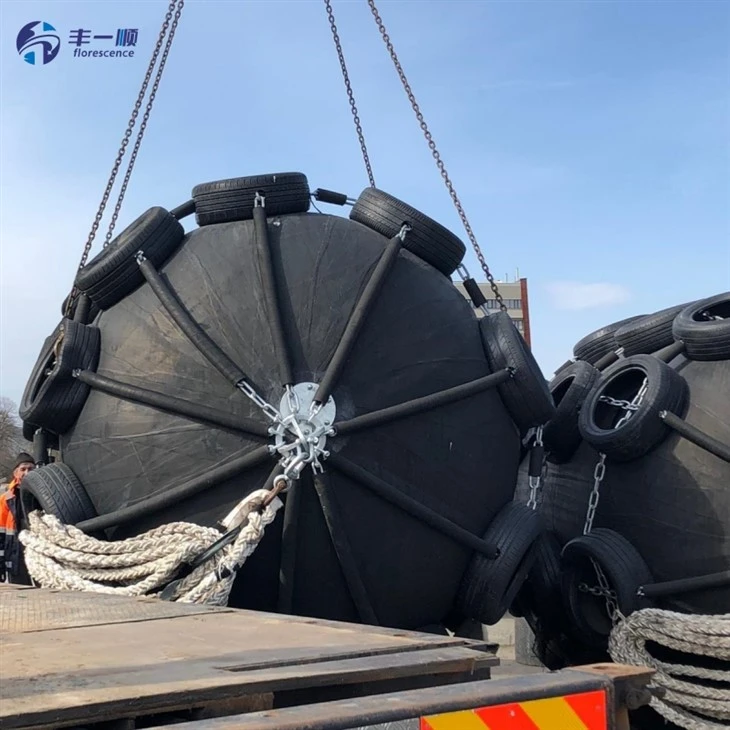
Before we dive into the inflation pressure standards, let's briefly review what Sling Pneumatic Fenders are and how they work. Sling Pneumatic Fenders are designed to provide cushioning and protection between vessels and structures, such as docks, piers, and other ships. They consist of a rubber bladder filled with compressed air, which absorbs the impact energy during berthing operations.
These fenders are highly versatile and can be used in a variety of marine environments, including ports, harbors, and offshore platforms. They are available in different sizes and shapes to meet the specific requirements of different applications. Some of the popular types of Sling Pneumatic Fenders include Sling Pneumatic Rubber Fender without Net, Ship Use Pneumatic Fender, and Yokohama Type Rubber Marine Pneumatic Boat Fender.
Factors Influencing Inflation Pressure
The inflation pressure of Sling Pneumatic Fenders is not a one-size-fits-all value. It depends on several factors, including the size and type of the fender, the berthing conditions, and the vessel's characteristics. Here are some of the key factors that influence the inflation pressure:
- Fender Size and Type: Larger fenders generally require higher inflation pressures to maintain their shape and provide adequate cushioning. Different types of fenders, such as cylindrical, conical, and Yokohama-type fenders, may also have different inflation pressure requirements based on their design and construction.
- Berthing Conditions: The berthing conditions, such as the wave height, current speed, and wind direction, can significantly affect the inflation pressure. In rough sea conditions, higher inflation pressures may be required to ensure the fender's stability and performance.
- Vessel Characteristics: The size, weight, and speed of the vessel also play a role in determining the inflation pressure. Larger and heavier vessels typically require higher inflation pressures to absorb the impact energy during berthing.
Recommended Inflation Pressure Standards
To ensure the safe and efficient operation of Sling Pneumatic Fenders, it is essential to follow the recommended inflation pressure standards. These standards are typically provided by the fender manufacturer and are based on extensive testing and research. Here are some general guidelines for inflation pressure:
- Initial Inflation: When installing a new Sling Pneumatic Fender, it is recommended to inflate it to the minimum inflation pressure specified by the manufacturer. This allows the fender to adjust to its new environment and ensures proper installation.
- Operating Pressure: During normal operation, the fender should be maintained at the recommended operating pressure. This pressure is usually between the minimum and maximum inflation pressures specified by the manufacturer. Operating the fender within this range ensures optimal performance and longevity.
- Pressure Monitoring: Regular pressure monitoring is crucial to ensure that the fender is operating within the recommended range. It is recommended to use a reliable pressure gauge to check the inflation pressure at least once a week or more frequently in harsh operating conditions.
Importance of Maintaining the Correct Inflation Pressure
Maintaining the correct inflation pressure is essential for the safe and efficient operation of Sling Pneumatic Fenders. Here are some of the key reasons why:
- Optimal Performance: The correct inflation pressure ensures that the fender maintains its shape and provides adequate cushioning during berthing operations. This helps to reduce the impact force on the vessel and the structure, minimizing the risk of damage.
- Longevity: Operating the fender at the recommended inflation pressure helps to extend its lifespan. Over-inflation or under-inflation can cause excessive stress on the fender's rubber bladder, leading to premature wear and tear.
- Safety: Maintaining the correct inflation pressure is crucial for the safety of the vessel and the personnel involved in the berthing operations. An under-inflated fender may not provide sufficient cushioning, increasing the risk of collision and damage. On the other hand, an over-inflated fender may burst, posing a safety hazard.
Conclusion
In conclusion, the inflation pressure standard for Sling Pneumatic Fenders is a critical factor that determines their performance, longevity, and safety. As a supplier of Sling Pneumatic Fenders, we understand the importance of providing our customers with accurate and reliable information about inflation pressure. By following the recommended standards and guidelines, you can ensure the optimal performance of your fenders and protect your vessels and structures from damage.
If you have any questions or need further information about Sling Pneumatic Fenders or their inflation pressure requirements, please feel free to contact us. Our team of experts is always ready to assist you with your marine fender needs. We look forward to the opportunity to work with you and provide you with the highest quality Sling Pneumatic Fenders and excellent customer service.
References
- Manufacturer's installation and operation manuals for Sling Pneumatic Fenders.
- Industry standards and guidelines for marine fenders.
- Research studies on the performance and durability of Sling Pneumatic Fenders.