

Hey there! As a supplier of Caisson Airbags, I often get asked about the air source requirements for inflating these nifty devices. So, I thought I'd sit down and share everything you need to know about it.
First off, let's talk about what Caisson Airbags are. They're basically large, heavy - duty rubber balloons that are used in a variety of marine and civil engineering applications. For example, they can be used to launch ships, lift caissons, or even in Kenya Culvert Making Ballons projects. These airbags are incredibly useful because they can provide a lot of lifting force while being relatively easy to handle and install.
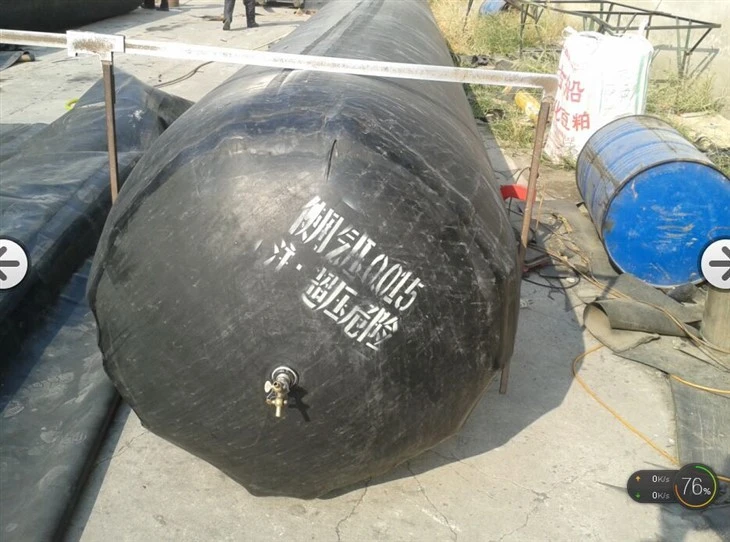
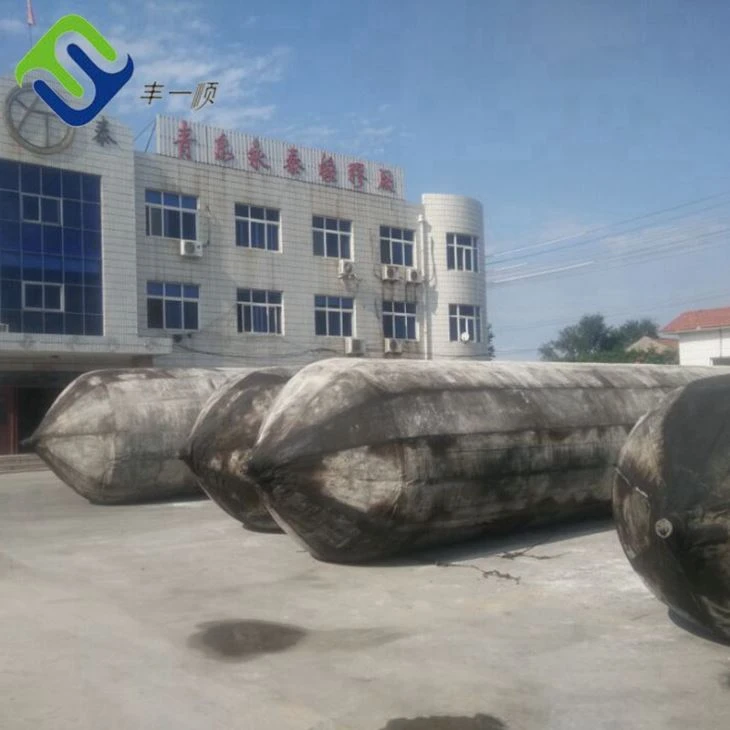
Now, onto the air source requirements. The most important thing when it comes to inflating Caisson Airbags is to have a reliable and sufficient air source. The air source needs to be able to deliver a large volume of air at a relatively high pressure.
Air Volume
The volume of air required depends on the size of the Caisson Airbag. Larger airbags obviously need more air to be fully inflated. For instance, if you're using a small - sized Culvert Rubber Balloon for a minor culvert project, you won't need as much air as you would for a massive airbag used in a ship - launching operation.
To calculate the approximate air volume needed, you can use the formula for the volume of a cylinder (since most Caisson Airbags are cylindrical in shape). The formula is (V=\pi r^{2}h), where (r) is the radius of the airbag and (h) is its length. But keep in mind that this is just a rough estimate, as the airbag may not be a perfect cylinder and there could be some compression and expansion factors to consider.
Air Pressure
The pressure at which the air is delivered is also crucial. The required air pressure varies depending on the application and the load that the airbag is expected to support. Generally, for most Caisson Airbag applications, the inflation pressure ranges from 0.1 MPa to 0.8 MPa.
For light - duty applications like small - scale culvert installation using Rubber Balloon, a lower pressure might be sufficient. However, for heavy - duty tasks such as launching large ships, a higher pressure is needed to ensure that the airbag can provide enough lifting force.
Types of Air Sources
There are several types of air sources that can be used to inflate Caisson Airbags:
Compressors
Air compressors are the most common choice. They come in different sizes and capacities. Smaller portable compressors can be used for inflating smaller airbags, while larger industrial - grade compressors are needed for big - scale projects.
When choosing a compressor, you need to consider its air delivery rate (measured in cubic feet per minute or CFM) and its maximum pressure rating. Make sure that the compressor can deliver the required volume of air at the necessary pressure within a reasonable time frame.
Air Tanks
Air tanks can also be used as an air source. They store compressed air and can be used to quickly inflate the airbags. However, the capacity of the air tank needs to be large enough to provide the required amount of air. You may need to recharge the air tank periodically using a compressor.
Blowers
In some cases, blowers can be used for the initial inflation of the airbags. Blowers are good at quickly filling the airbag with a large volume of air at a relatively low pressure. But for the final inflation to the required high pressure, a compressor or air tank is usually needed.
Safety Considerations
Safety is of utmost importance when inflating Caisson Airbags. Here are some key safety points:
- Pressure Monitoring: Always use a reliable pressure gauge to monitor the inflation pressure. Over - inflating the airbag can cause it to burst, which can be extremely dangerous.
- Ventilation: Make sure the area where the airbag is being inflated is well - ventilated. If using a compressor or other equipment that generates heat, proper ventilation helps prevent overheating.
- Inspection: Before inflation, thoroughly inspect the airbag for any signs of damage or wear. A damaged airbag can fail during inflation, leading to accidents.
Maintenance of Air Sources
To ensure the proper functioning of the air source, regular maintenance is required.
- Compressors: Check the compressor's oil level, filters, and belts regularly. Clean or replace the filters as needed to maintain good air quality and efficient operation.
- Air Tanks: Inspect the air tank for any signs of corrosion or leaks. Have the tank hydro - tested periodically to ensure its safety.
- Blowers: Clean the blower's intake and outlet regularly to prevent blockages. Check the motor and other components for proper functioning.
Cost - Efficiency
When choosing an air source, cost - efficiency is an important factor. Consider the initial cost of the equipment, as well as the operating costs such as energy consumption and maintenance. For smaller projects, a portable compressor might be a cost - effective option, while for large - scale, long - term projects, investing in a high - capacity industrial compressor could be more economical in the long run.
In conclusion, having the right air source is essential for successfully inflating Caisson Airbags. Whether you're working on a small culvert project or a large - scale marine operation, understanding the air volume, pressure requirements, and choosing the appropriate air source is crucial.
If you're in the market for Caisson Airbags or have any questions about the air source requirements for inflating them, don't hesitate to reach out. We're here to help you with all your Caisson Airbag needs and can guide you through the process of choosing the right equipment for your project.
References
- Marine Engineering Handbook
- Airbag Manufacturer's Manuals