

Hey there! As a supplier of marine air bags, I've seen firsthand how these nifty tools have revolutionized the shipbuilding industry. In this blog post, I'm gonna walk you through the various applications of marine air bags in shipbuilding.
Ship Launching
One of the most well - known applications of marine air bags is ship launching. Traditionally, shipyards used slipways and cranes for launching ships, which were often expensive and required a lot of infrastructure. Marine air bags, on the other hand, offer a cost - effective and flexible alternative.
When it's time to launch a ship, we place a series of marine air bags under the hull of the vessel. These air bags are then inflated to lift the ship off the ground. Once the ship is properly supported, we can gradually deflate the air bags at the stern while inflating those at the bow. This creates a smooth and controlled movement, allowing the ship to slide gently into the water.
The use of marine air bags for ship launching is not only more affordable but also less time - consuming. It reduces the need for large - scale construction of slipways and can be used in various shipyard settings, even in smaller or makeshift yards. For more information on ship launching air bags, you can check out our Ship Rubber Airbag page.
Ship Upgrading and Maintenance
Marine air bags also play a crucial role in ship upgrading and maintenance. When a ship needs to be repaired or upgraded, it often has to be taken out of the water. Marine air bags can be used to lift the ship onto a dry dock or a repair platform.
We position the air bags strategically along the hull and inflate them to raise the ship to the desired height. This gives the maintenance crew easy access to the bottom of the ship, where they can perform tasks such as hull cleaning, painting, and fixing any structural damage.
The advantage of using air bags in ship upgrading is that they can be adjusted to fit different ship sizes and shapes. They provide a stable and secure support system, ensuring that the ship remains in place during the maintenance process. If you're interested in our Ship Upgrading And Launching Airbags, click the link to learn more.
Barge Docking
Barges are an important part of the shipping industry, and marine air bags are very useful for barge docking. When a barge needs to be docked at a pier or a loading area, air bags can be used to cushion the impact and prevent damage to the barge and the docking structure.
We place the air bags between the barge and the dock. As the barge approaches the dock, the air bags absorb the kinetic energy of the barge, reducing the force of the impact. This helps to protect the barge's hull from scratches and dents and also extends the lifespan of the docking facilities.
Moreover, air bags can be easily adjusted to different docking conditions. Whether it's a small barge or a large one, the air bags can be inflated or deflated to provide the right amount of cushioning. To find out more about our Barge Docking Rubber Airbags, simply click on the link.
Floating Platforms and Jetties
In addition to ship - related applications, marine air bags can be used to create floating platforms and jetties. By connecting multiple air bags together and securing them with appropriate structures, we can build stable floating platforms.
These platforms can be used for various purposes, such as temporary work platforms for offshore construction, floating storage areas, or even recreational platforms. The buoyancy of the air bags allows the platform to float on the water, and they can be easily moved and re - configured as needed.
Similarly, air bags can be used in the construction of jetties. They provide a flexible and cost - effective way to support the structure of the jetty and can be adjusted to adapt to changes in water levels and tide conditions.
Advantages of Our Marine Air Bags
At our company, we take pride in providing high - quality marine air bags. Our air bags are made from top - grade rubber materials that are resistant to abrasion, puncture, and UV rays. This ensures a long service life and reliable performance in harsh marine environments.
We also offer a wide range of sizes and specifications to meet the diverse needs of our customers. Whether you're building a small fishing boat or a large cargo ship, we have the right air bags for you. Our team of experts is always ready to provide technical support and advice to ensure that you use our air bags safely and effectively.
Why Choose Us
When it comes to purchasing marine air bags, there are several reasons to choose us as your supplier. Firstly, we have years of experience in the industry, and we understand the unique requirements of shipbuilding and marine applications.
Secondly, we offer competitive prices without compromising on quality. We believe that high - quality products should be accessible to all our customers, regardless of their budget.
Finally, we provide excellent customer service. From the moment you contact us to inquire about our products to the after - sales support, we are committed to making your experience with us as smooth as possible.
Contact Us for Purchase and Consultation
If you're in the shipbuilding industry or any related field and are interested in our marine air bags, don't hesitate to get in touch with us. Whether you have questions about the applications, need help in selecting the right air bags for your project, or are ready to place an order, we're here to assist you.
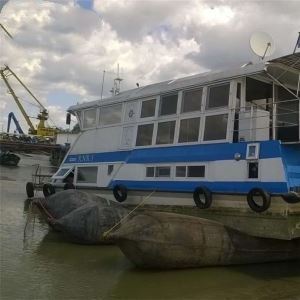

You can reach out to us via our official channels, and our sales team will be more than happy to discuss your requirements and provide you with a detailed quote. Let's work together to make your shipbuilding projects a success with our top - notch marine air bags!
References
- Smith, J. (2018). "Innovations in Marine Equipment: The Role of Air Bags". Marine Technology Journal, Vol. 45, Issue 2.
- Johnson, R. (2020). "Practical Applications of Marine Air Bags in Shipyards". International Journal of Shipbuilding and Marine Engineering, Vol. 12, Issue 3.