

As a dedicated supplier of submarine fenders, I've delved deep into the world of these crucial marine components. Submarine fenders play a vital role in protecting submarines during docking, berthing, and various underwater operations. One aspect that often goes unnoticed but is of great significance is their acoustic properties. In this blog, we'll explore what these acoustic properties are, why they matter, and how they impact the performance of submarine fenders.
Understanding Acoustic Properties
Acoustic properties refer to how a material interacts with sound waves. In the context of submarine fenders, these properties can influence the transmission, absorption, and reflection of sound underwater. Sound behaves differently in water compared to air, and submarines operate in an environment where acoustic stealth and communication are of utmost importance.
Sound Transmission
When a submarine approaches a dock or another structure, the fenders act as a buffer. Sound waves generated by the movement of the submarine or the impact with the fender can be transmitted through the fender material. The ability of the fender to transmit sound depends on its density, elasticity, and internal structure. A fender with high sound transmission may allow more noise to propagate, potentially compromising the stealth of the submarine.
Sound Absorption
Sound absorption is the ability of a material to convert sound energy into other forms of energy, such as heat. Submarine fenders with good sound absorption properties can reduce the amount of sound reflected back into the water. This is crucial for minimizing the acoustic signature of the submarine, making it less detectable by sonar systems. Materials with porous or fibrous structures tend to have better sound absorption capabilities.

Sound Reflection
Sound reflection occurs when sound waves bounce off the surface of the fender. A fender with high reflectivity can create echoes, which can be detected by sonar. By reducing sound reflection, fenders can help submarines remain undetected. The surface texture and stiffness of the fender material can affect its reflectivity.
Factors Affecting Acoustic Properties
Several factors can influence the acoustic properties of submarine fenders. Understanding these factors is essential for designing fenders that meet the specific requirements of submarines.
Material Composition
The choice of material is one of the most critical factors affecting acoustic properties. Rubber is a commonly used material for submarine fenders due to its elasticity and durability. However, different types of rubber can have varying acoustic characteristics. For example, natural rubber may have different sound absorption and transmission properties compared to synthetic rubber.
Some advanced fender materials incorporate additives or fillers to enhance their acoustic performance. These additives can modify the internal structure of the material, improving its sound absorption or reducing its sound transmission.
Fender Design
The design of the fender also plays a significant role in its acoustic properties. The shape, size, and thickness of the fender can affect how sound waves interact with it. For example, a fender with a complex shape may scatter sound waves in different directions, reducing the intensity of the reflected sound.
The internal structure of the fender, such as the presence of air chambers or voids, can also impact its acoustic performance. Air chambers can act as resonators, absorbing specific frequencies of sound.
Installation and Mounting
The way the fender is installed and mounted can influence its acoustic properties. A poorly installed fender may have gaps or loose connections, which can allow sound to leak through. Proper installation and mounting ensure that the fender is in direct contact with the submarine and the docking structure, minimizing sound transmission and reflection.
Importance of Acoustic Properties in Submarine Operations
The acoustic properties of submarine fenders are crucial for several reasons, especially in military and naval applications.
Stealth and Detection
Submarines rely on stealth to remain undetected by enemy forces. Any increase in the acoustic signature of the submarine can make it more vulnerable to detection by sonar systems. By using fenders with good acoustic properties, submarines can reduce their noise emissions and improve their stealth capabilities.
Communication
Clear communication is essential for submarine operations. Excessive noise from fenders can interfere with communication systems, making it difficult for the crew to receive and transmit information. Fenders with low sound transmission and good sound absorption can help maintain a quiet environment inside the submarine, ensuring reliable communication.
Equipment Protection
In addition to protecting the submarine from physical damage, fenders can also protect on-board equipment from the effects of sound. High-intensity sound waves can cause vibrations and damage to sensitive equipment. Fenders with good acoustic properties can absorb and dissipate sound energy, reducing the risk of equipment damage.
Our Submarine Fender Products
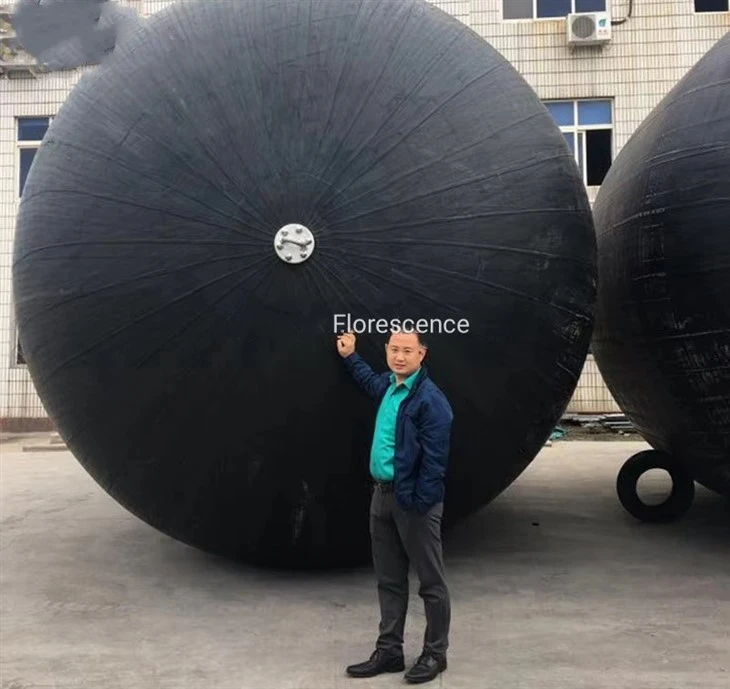
As a leading supplier of submarine fenders, we offer a range of products with excellent acoustic properties. Our Hydro Pneumatic Submarine Fender combines the advantages of hydro-pneumatic technology with advanced acoustic design. The fender uses a special rubber compound that provides high sound absorption and low sound transmission.
Our Submarine Hydro Pneumatic Rubber Fender is another popular product. It features a unique internal structure with air chambers that enhance its acoustic performance. The fender is designed to reduce sound reflection and minimize the acoustic signature of the submarine.
For customers looking for a more traditional option, our Submarine Rubber Fender offers reliable protection and good acoustic properties. The fender is made from high-quality rubber and is available in various sizes and shapes to meet different requirements.
Contact Us for Procurement
If you're interested in our submarine fender products or have any questions about their acoustic properties, please don't hesitate to contact us. We have a team of experts who can provide you with detailed information and help you choose the right fender for your needs. Whether you're a naval force, a shipyard, or a marine equipment supplier, we're committed to providing you with the highest quality products and excellent customer service.
References
- Beranek, Leo L. Noise and Vibration Control. McGraw-Hill, 1971.
- Kinsler, Lawrence E., et al. Fundamentals of Acoustics. Wiley, 2000.
- Mechel, F. P. “Acoustic Absorbers and Diffusers: Theory, Design and Application.” Springer, 2007.