

As a supplier of Sling Pneumatic Fenders, I understand the importance of correctly adjusting the position of these fenders to ensure optimal performance and safety in various marine applications. In this blog, I'll share some key insights and practical steps on how to adjust the position of Sling Pneumatic Fenders effectively.
Understanding Sling Pneumatic Fenders
Sling Pneumatic Fenders are designed to provide reliable protection for ships, docks, and other marine structures. They work by absorbing the kinetic energy generated during ship berthing or mooring operations, reducing the impact force and preventing damage. These fenders are typically made of high - strength rubber and are filled with compressed air, which gives them excellent shock - absorbing properties. They are widely used in different scenarios, such as Sling Type Pneumatic Rubber Fenders For Ship - To - Dock and Ship Use Pneumatic Fender.
Factors Affecting the Position Adjustment
Before adjusting the position of Sling Pneumatic Fenders, it's crucial to consider several factors that can influence the process and the final outcome.
Ship Size and Type
Different ships have different sizes, shapes, and berthing characteristics. Larger ships generally require more fenders and may need them to be positioned at specific intervals to distribute the impact force evenly. For example, container ships with a large draft and wide beam may need fenders to be placed at a greater height and wider spacing compared to smaller vessels.
Berthing Conditions
The berthing conditions, such as the angle of approach, speed of the ship, and the direction of the wind and current, also play a significant role. If a ship is approaching at an angle, the fenders need to be adjusted to accommodate the oblique impact. Strong winds and currents can push the ship against the fenders, so the position should be set to withstand these external forces.
Dock Structure
The structure of the dock, including its shape, height, and the available space for fender installation, is another important factor. Some docks may have irregular shapes or protrusions, which require careful positioning of the fenders to ensure proper contact and protection.
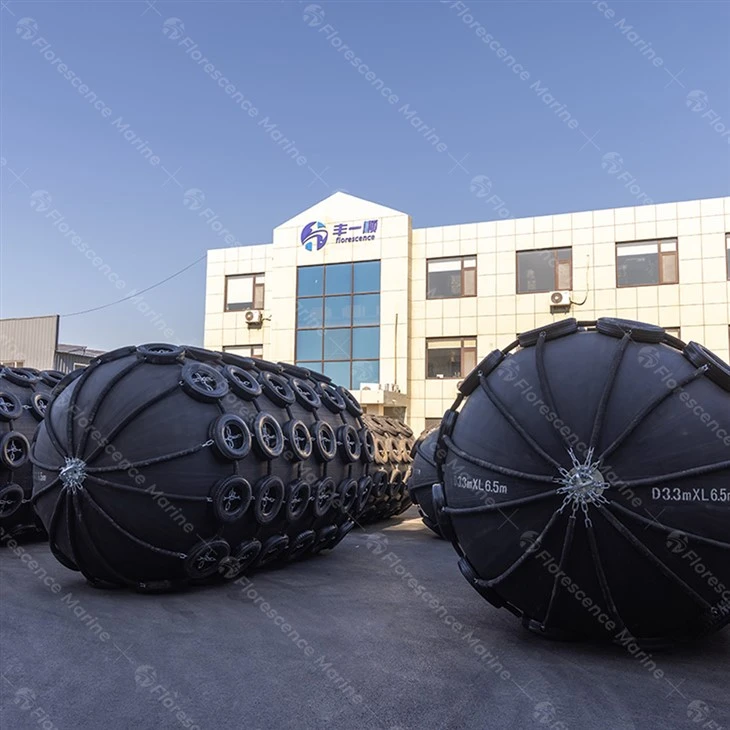

Steps for Adjusting the Position of Sling Pneumatic Fenders
Step 1: Initial Assessment
- Inspect the Fenders: Before any adjustment, thoroughly inspect the Sling Pneumatic Fenders for any signs of damage, such as cuts, abrasions, or air leaks. If any damage is found, repair or replace the fenders as necessary.
- Evaluate the Berthing Area: Examine the berthing area, including the ship, dock, and surrounding environment. Take note of the ship's size, shape, and the expected berthing angle. Measure the distance between the ship and the dock at different points to determine the appropriate fender placement.
Step 2: Determine the Optimal Position
- Consider the Impact Points: Based on the ship's berthing characteristics and the expected impact points, decide where the fenders should be placed. Generally, fenders should be positioned at the areas where the ship is most likely to make contact with the dock, such as the bow, stern, and mid - section.
- Calculate the Spacing: Determine the spacing between the fenders. The spacing should be such that the fenders can work together to absorb the impact force effectively. As a general rule, the spacing between fenders should not be too large to avoid gaps that could lead to direct contact between the ship and the dock.
Step 3: Adjust the Sling
- Loosen the Sling: If the fenders are already installed, loosen the sling that holds the fender in place. This will allow you to move the fender to the desired position.
- Reposition the Fender: Carefully move the fender to the new position, ensuring that it is centered and aligned correctly. Make sure the fender is in contact with the ship and the dock surface evenly.
- Tighten the Sling: Once the fender is in the correct position, tighten the sling to secure the fender. The sling should be tightened enough to hold the fender firmly in place but not so tight that it damages the fender.
Step 4: Check the Alignment and Contact
- Visual Inspection: After adjusting the fender position, visually inspect the alignment of the fender. The fender should be parallel to the ship's hull and the dock surface. Check for any signs of misalignment, such as tilting or uneven contact.
- Test the Contact: Before the ship berths, perform a test to ensure that the fender makes proper contact with the ship. You can use a small object or a soft material to simulate the ship's contact and check if the fender deforms evenly.
Step 5: Monitor and Fine - Tune
- During Berthing: During the ship's berthing process, closely monitor the performance of the fenders. Observe the deformation of the fenders and the distribution of the impact force. If necessary, make further adjustments to the fender position based on the real - time feedback.
- After Berthing: After the ship has berthed, inspect the fenders again to check for any signs of excessive deformation or damage. If any issues are found, adjust the fender position or take other corrective measures as needed.
Tips for Successful Position Adjustment
- Use Proper Tools: When adjusting the position of Sling Pneumatic Fenders, use appropriate tools, such as wrenches, slings, and lifting equipment, to ensure safe and accurate adjustments.
- Follow Manufacturer's Guidelines: Always follow the manufacturer's guidelines and recommendations for fender installation and position adjustment. These guidelines are based on extensive research and testing and can help you achieve the best results.
- Train the Personnel: Ensure that the personnel involved in the fender position adjustment are properly trained. They should understand the principles of fender operation, the factors affecting the position adjustment, and the correct adjustment procedures.
Conclusion
Properly adjusting the position of Sling Pneumatic Fenders is essential for ensuring the safety and protection of ships and docks during berthing operations. By considering the factors mentioned above and following the steps and tips provided, you can achieve optimal fender performance and minimize the risk of damage.
If you are in the market for high - quality Sling Pneumatic Fenders or need further assistance with fender installation and position adjustment, please feel free to contact us for more information and to discuss your specific requirements. We are committed to providing you with the best solutions and products to meet your marine protection needs.
References
- Marine Fender Handbook, various industry publications
- Manufacturer's technical documents for Sling Pneumatic Fenders