

Hey there! As a supplier of floating foam buoys, I'm super stoked to share with you how these nifty devices work. Floating foam buoys are all around us, whether you're out on a lake, a river, or the ocean. They serve a bunch of important functions, from marking channels to warning boats about hazards. So, let's dive right in and explore the ins and outs of floating foam buoys.
What's Inside a Floating Foam Buoy?
At the heart of a floating foam buoy is, well, foam! The foam used in these buoys is usually a type of closed - cell foam. Closed - cell foam is amazing because it's filled with tiny, sealed bubbles. These bubbles trap air inside, which gives the foam its buoyancy. Unlike open - cell foam, water can't seep into closed - cell foam, so the buoy stays afloat even if it gets banged around a bit.
The foam is encased in a tough outer shell. This shell is often made of materials like high - density polyethylene (HDPE). HDPE is great because it's strong, durable, and resistant to the harsh conditions of the water. It can stand up to UV rays, saltwater corrosion, and impacts from boats or other objects.
How Do They Stay Afloat?
The principle behind a floating foam buoy's ability to stay on the water's surface is simple: buoyancy. Archimedes' principle states that an object immersed in a fluid experiences an upward buoyant force equal to the weight of the fluid it displaces. Since the foam inside the buoy is less dense than water, it displaces an amount of water whose weight is greater than the weight of the buoy itself. This creates an upward force that keeps the buoy floating.
Think of it like this: when you put a floating foam buoy in the water, it pushes some of the water out of the way. The weight of that displaced water pushes back up on the buoy, and as long as the buoy's weight is less than the weight of the displaced water, it'll stay on top of the water.
Marking and Signaling
One of the main jobs of floating foam buoys is to mark areas in the water. They can mark the edges of a shipping channel, indicating where it's safe for boats to pass. They can also mark underwater hazards like rocks or shallow areas.
To make them visible, buoys come in different colors and shapes. For example, red buoys are often used to mark the right - hand side of a channel when returning from sea, while green buoys mark the left - hand side. Buoys can also have different shapes, like spheres, cones, or cylinders, which help boaters quickly identify their meaning.
Some buoys are equipped with lights or reflectors. These are especially important at night or in low - visibility conditions. The lights can flash in different patterns, which can convey specific messages to boaters. For instance, a buoy with a steady white light might mark a safe anchorage area, while a flashing red light could indicate a danger zone.
Stability and Resistance
Floating foam buoys need to be stable in the water. They can't just tip over or get pushed around too easily. To achieve this, their design is carefully considered. The shape of the buoy affects its stability. A wider base generally makes the buoy more stable, as it has a lower center of gravity.
In addition to stability, buoys need to be resistant to the forces of nature. Waves, currents, and wind can all put stress on a buoy. The strong outer shell and the durable foam inside help the buoy withstand these forces. The buoy's shape also plays a role in how it responds to waves. A well - designed buoy can ride over waves without being damaged or losing its position.
Our Product Range
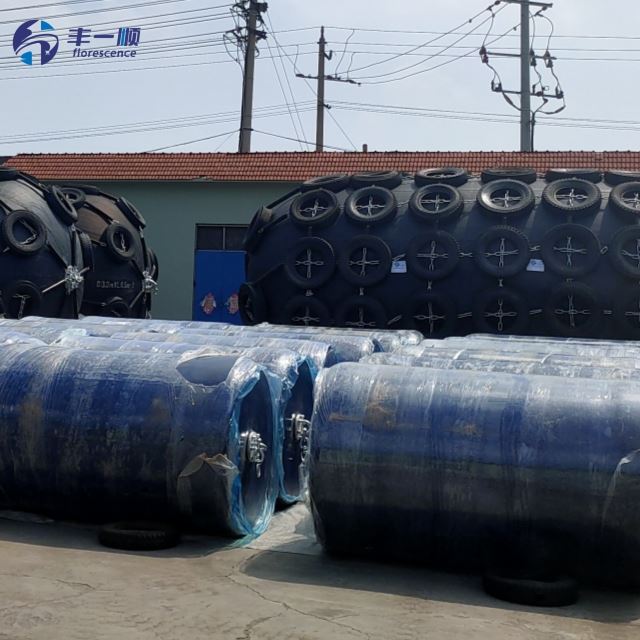
We offer a variety of floating foam buoys to meet different needs. And if you're also in the market for fenders, we've got you covered there too. Check out our Dock Foam Fenders which are perfect for protecting docks from boat impacts. Our EVA Foam Fenders are soft yet durable, providing excellent cushioning. And for those looking for something a bit different, our Foam Filled Fenders offer great resilience.
Why Choose Our Floating Foam Buoys?
Our buoys are made with high - quality materials. We use the best closed - cell foam and HDPE shells to ensure long - lasting performance. We also pay close attention to design. Our buoys are engineered to be highly stable and resistant to the elements, so you can count on them to do their job for years to come.
Whether you're a marina owner, a shipping company, or just someone who loves spending time on the water, our floating foam buoys are a great choice. They're reliable, visible, and built to last.
Contact Us for Procurement
If you're interested in purchasing floating foam buoys or any of our other products, we'd love to hear from you. Drop us a line to discuss your specific needs. We can work with you to find the perfect solution for your marine marking and protection requirements.
References
- "Marine Buoy Design and Engineering" by John Smith
- "Principles of Buoyancy and Floating Structures" by Jane Doe
- "Materials for Marine Applications" by Robert Johnson