

As a supplier of Caisson Airbags, ensuring the performance and reliability of our products is of utmost importance. Before these airbags are put into use, a series of rigorous tests need to be conducted to guarantee their safety and efficiency. In this blog, I will share the key steps and methods I use to test the performance of Caisson Airbags before they are delivered to our customers.
1. Visual Inspection
The first step in the testing process is a thorough visual inspection. This is a basic yet crucial step that can help identify any obvious defects or damages on the surface of the airbag. I carefully examine the entire body of the airbag, looking for signs of cuts, abrasions, cracks, or unevenness in the rubber material. Any visible damage can significantly compromise the strength and integrity of the airbag, leading to potential failures during use.
For example, a small cut on the surface may seem insignificant at first glance, but it can act as a stress concentration point, increasing the risk of the airbag bursting under pressure. Additionally, I check the quality of the fabric layers inside the airbag. The fabric should be evenly distributed and firmly bonded to the rubber to ensure proper reinforcement. Any loose or delaminated fabric can reduce the airbag's load - bearing capacity.
2. Dimension Measurement
Accurate dimensions are essential for the proper functioning of Caisson Airbags. I use precision measuring tools to measure the length, diameter, and wall thickness of the airbag. Deviations from the specified dimensions can affect the airbag's performance in several ways.
If the diameter is too large or too small, it may not fit properly in the intended application, such as in a caisson or culvert. A smaller - than - specified diameter may result in insufficient lifting force, while a larger diameter may cause installation difficulties or over - stress on the surrounding structures. The wall thickness is also a critical parameter. A thinner wall may not be able to withstand the required pressure, while an overly thick wall can increase the weight and cost of the airbag without providing significant additional benefits.
3. Pressure Testing
Pressure testing is one of the most important performance tests for Caisson Airbags. It simulates the actual working conditions of the airbag and verifies its ability to withstand the expected pressure. I use a specialized pressure testing system to gradually increase the pressure inside the airbag while monitoring its response.
During the test, I record the pressure at which the airbag starts to show any signs of deformation or leakage. The airbag should be able to reach and maintain the specified maximum working pressure without any visible damage or significant pressure drop. I also check for any abnormal bulging or uneven expansion of the airbag, which may indicate weaknesses in the structure.
It is important to note that the pressure testing should be carried out in a controlled environment with proper safety precautions. The testing equipment should be calibrated regularly to ensure accurate pressure readings.
4. Load - Bearing Capacity Test
The load - bearing capacity of Caisson Airbags is a key performance indicator. To test this, I use a test rig that can apply a known load to the airbag. The load is gradually increased until the airbag reaches its maximum capacity or shows signs of failure.
I measure the deformation of the airbag under different loads and record the corresponding pressure values. This data helps me to evaluate the airbag's stiffness and its ability to distribute the load evenly. A well - designed airbag should be able to support the expected load without excessive deformation or failure.

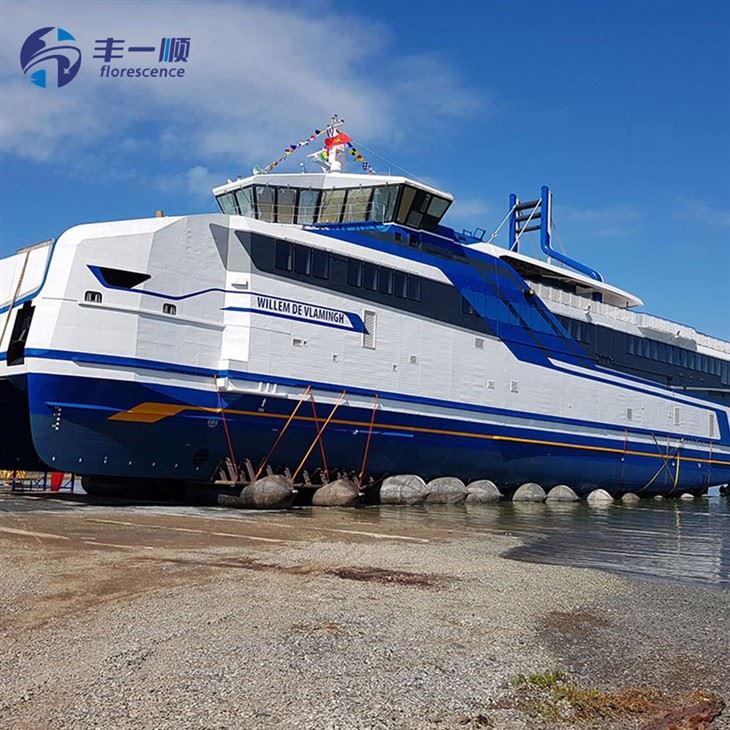
In addition to the static load - bearing test, I also conduct dynamic load - bearing tests to simulate the actual working conditions more realistically. This involves applying cyclic loads to the airbag to check its fatigue resistance. Over time, repeated loading and unloading can cause wear and tear on the airbag, so it is important to ensure that it can withstand a certain number of cycles without losing its performance.
5. Material Testing
The quality of the materials used in the Caisson Airbags directly affects their performance. I conduct various material tests to ensure that the rubber and fabric meet the required standards.
For the rubber, I test its hardness, tensile strength, elongation at break, and tear resistance. These properties determine the rubber's ability to withstand pressure, abrasion, and environmental factors. A rubber with high tensile strength and good tear resistance is less likely to rupture under stress.
The fabric used for reinforcement is also tested for its strength and bonding properties. The fabric should have sufficient tensile strength to provide effective reinforcement to the airbag. The bonding between the fabric and the rubber is crucial for transferring the load and maintaining the integrity of the airbag structure.
6. Environmental Resistance Testing
Caisson Airbags are often used in harsh marine or industrial environments. Therefore, it is important to test their resistance to environmental factors such as sunlight, saltwater, and chemicals.
I expose the airbags to simulated environmental conditions in a laboratory setting. For example, I use a UV chamber to simulate long - term sunlight exposure. Prolonged exposure to sunlight can cause the rubber to degrade, leading to a reduction in its mechanical properties. I also immerse the airbags in saltwater for a certain period to test their corrosion resistance.
In addition, I test the airbags' resistance to common chemicals that they may come into contact with during use. Chemical exposure can cause swelling, softening, or hardening of the rubber, which can affect the airbag's performance.
Conclusion
Testing the performance of Caisson Airbags before use is a comprehensive process that involves multiple steps and methods. By conducting these tests, I can ensure that our airbags meet the highest quality standards and provide reliable performance in various applications.
If you are interested in our Kenya Culvert Making Balloons, Culvert Making Rubber Airbag or Culvert Rubber Balloon, please feel free to contact us for more information and to discuss your specific requirements. We are committed to providing you with the best - quality Caisson Airbags and excellent customer service.
References
- ASTM International standards for rubber and rubber - related products.
- Industry guidelines on the testing and use of marine airbags.