

Floating foam buoys are essential components in various marine applications, from marking shipping lanes to supporting aquaculture structures. Understanding how these buoys interact with waves is crucial for ensuring their effectiveness and longevity. As a leading Floating Foam Buoy supplier, we have extensive knowledge and experience in this field. In this blog, we will delve into the science behind the interaction between floating foam buoys and waves, exploring the factors that influence this interaction and the implications for different marine uses.
The Basics of Wave Interaction
Waves are a fundamental feature of the marine environment, and they can have a significant impact on floating foam buoys. When a wave encounters a buoy, several physical processes come into play. First, the buoy experiences a vertical force due to the wave's crest and trough. As the wave approaches, the buoy rises with the crest and then descends with the trough. This vertical motion can be quite substantial, especially in areas with large waves.
In addition to the vertical motion, the buoy also experiences a horizontal force as the wave passes. This force is caused by the water's movement within the wave. The water in a wave moves in a circular or elliptical path, and as the wave passes the buoy, this movement exerts a lateral force on the buoy. The combination of the vertical and horizontal forces can cause the buoy to move in a complex pattern, which can affect its stability and performance.
Factors Affecting Wave - Buoy Interaction
Buoy Design
The design of the floating foam buoy plays a crucial role in how it interacts with waves. The shape, size, and weight distribution of the buoy all influence its response to wave forces. For example, a spherical buoy is more likely to roll with the waves, while a cylindrical buoy may be more stable in a vertical position. The size of the buoy also matters; larger buoys generally have more inertia and are less affected by small waves, but they may be more difficult to maneuver in rough seas.
The material used to construct the buoy is another important factor. Foam is a popular choice for buoys because of its buoyancy and durability. Different types of foam, such as expanded polystyrene (EPS) or polyurethane foam, have different properties that can affect the buoy's performance. For instance, EPS foam is lightweight and has good insulation properties, while polyurethane foam can be more flexible and resistant to impact.
Wave Characteristics
The characteristics of the waves themselves also have a significant impact on the interaction with the buoy. The height, wavelength, and period of the waves are all important factors. Higher waves exert greater forces on the buoy, increasing the risk of damage or displacement. Waves with shorter wavelengths can cause more rapid changes in the buoy's motion, while longer - wavelength waves may result in more gradual movements.
The wave period, which is the time between successive wave crests, also affects the buoy's response. If the wave period is close to the natural period of the buoy's motion, resonance can occur. Resonance can cause the buoy to oscillate with increasing amplitude, potentially leading to instability and damage.
Water Depth
The depth of the water where the buoy is located can also influence its interaction with waves. In shallow water, waves can interact with the seabed, causing changes in their shape and behavior. These changes can, in turn, affect the forces exerted on the buoy. For example, in shallow water, waves may become steeper and break more easily, increasing the forces on the buoy.
Implications for Different Marine Applications
Navigation Marking
In navigation marking applications, the interaction between floating foam buoys and waves is critical for ensuring the safety of vessels. Buoys need to remain in their designated positions to accurately mark shipping lanes and hazards. Waves can cause buoys to drift, which can lead to confusion for navigators. Therefore, it is essential to design buoys that are resistant to wave - induced displacement.
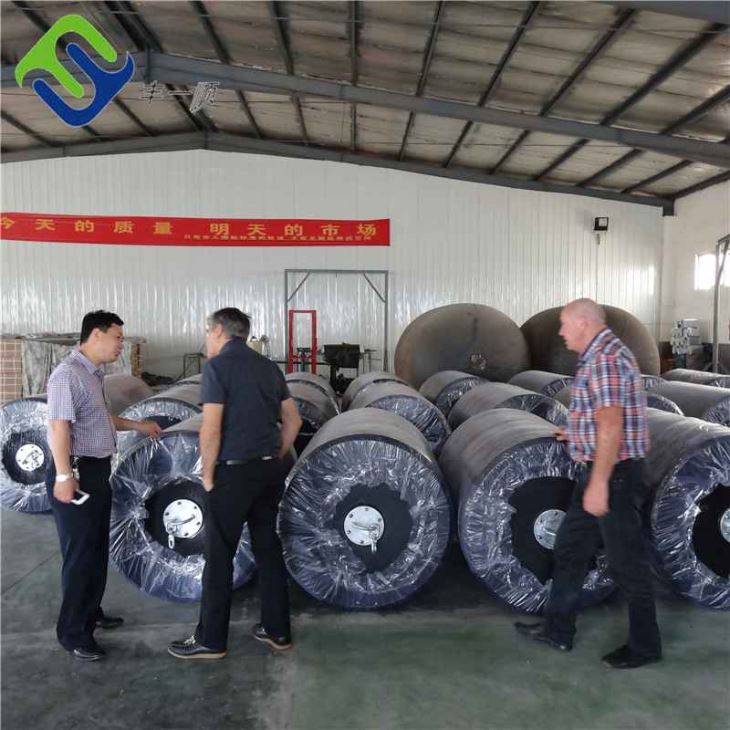

Our company offers a range of high - quality floating foam buoys designed specifically for navigation marking. These buoys are engineered to withstand the forces exerted by waves, ensuring reliable performance even in harsh marine conditions. You can find more information about our EVA Foam Fenders and Marine Foam Filled Fenders, which can be used in conjunction with our buoys to enhance their stability.
Aquaculture
In aquaculture, floating foam buoys are used to support nets and cages for fish and shellfish farming. The interaction between the buoys and waves can affect the structural integrity of these aquaculture systems. Waves can cause the buoys to move, which can lead to stress on the nets and cages. This stress can potentially damage the nets, allowing fish to escape or exposing them to predators.
Our floating foam buoys are designed to provide stable support for aquaculture structures. They are made from durable materials that can withstand the long - term effects of wave action. By using our Foam Filled Fenders, you can further protect your aquaculture systems from wave - induced damage.
Ensuring Optimal Performance
To ensure the optimal performance of floating foam buoys in wave - prone environments, regular maintenance and monitoring are essential. Buoys should be inspected regularly for signs of damage or wear, and any necessary repairs or replacements should be carried out promptly. Additionally, monitoring the position and movement of the buoys can help detect any potential issues before they become serious problems.
As a Floating Foam Buoy supplier, we are committed to providing our customers with the best products and support. We have a team of experts who can offer advice on buoy selection, installation, and maintenance. If you are interested in learning more about our floating foam buoys or have any questions about their interaction with waves, please do not hesitate to contact us. We are here to help you find the right solutions for your marine applications.
Conclusion
The interaction between floating foam buoys and waves is a complex process influenced by various factors, including buoy design, wave characteristics, and water depth. Understanding this interaction is crucial for ensuring the effectiveness and longevity of buoys in different marine applications, such as navigation marking and aquaculture.
At our company, we have the expertise and experience to provide high - quality floating foam buoys that are designed to withstand the forces exerted by waves. Whether you need buoys for a small - scale aquaculture project or a large - scale navigation system, we can offer the right solutions for your needs. If you are interested in purchasing our floating foam buoys or discussing your specific requirements, please reach out to us. We look forward to the opportunity to work with you and help you achieve your marine goals.
References
- Dean, R. G., & Dalrymple, R. A. (1991). Water wave mechanics for engineers and scientists. World Scientific.
- Mei, C. C., Stiassnie, M., & Yue, D. K. P. (2005). Theory and applications of ocean surface waves. World Scientific.
- Sarpkaya, T., & Isaacson, M. (1981). Mechanics of wave forces on offshore structures. Van Nostrand Reinhold.