

Hey there! As a supplier of foam boat fenders, I've seen firsthand how these nifty little devices play a crucial role in the operation of large cruise ships. In this blog post, I'm gonna walk you through how foam boat fenders are used on these massive vessels.
First off, let's talk about why fenders are even necessary on large cruise ships. These ships are huge, often weighing thousands of tons, and they need to dock at various ports around the world. When they're docking or undocking, there's always a risk of the ship hitting the dock, other vessels, or even floating debris. That's where foam boat fenders come in. They act as a buffer, absorbing the impact and protecting the ship and the dock from damage.
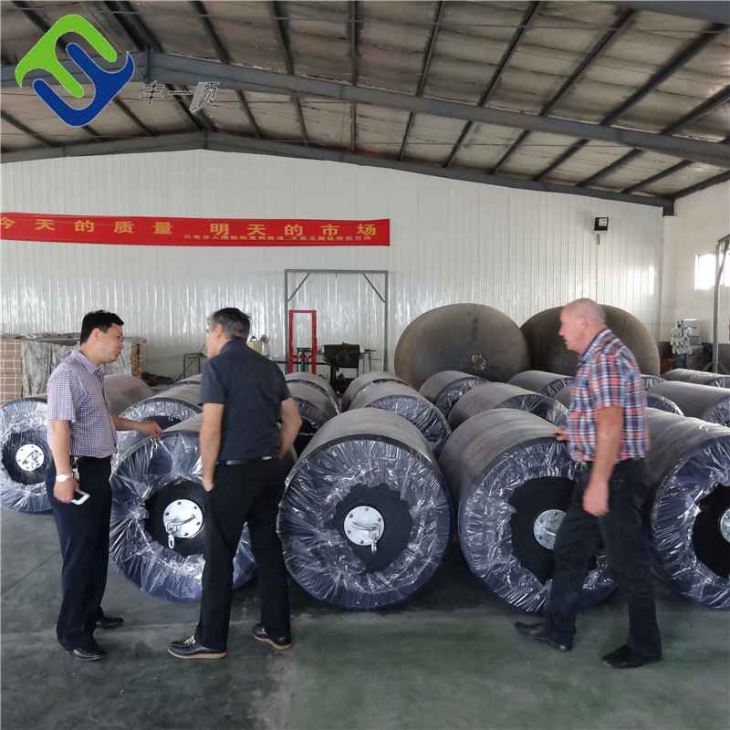
One of the most common types of foam boat fenders used on large cruise ships is the Foam Filled Fenders. These fenders are filled with a special foam material that provides excellent shock absorption. They're typically made of a durable outer shell, like rubber or polyurethane, which protects the foam and gives the fender its shape. The foam inside is designed to compress when it comes into contact with an object, spreading the force of the impact over a larger area and reducing the risk of damage.
Another popular option is the EVA Material Foam Fender. EVA, or ethylene-vinyl acetate, is a lightweight and flexible material that's known for its excellent shock absorption properties. These fenders are often used in areas where space is limited or where a more flexible fender is needed. They can be easily customized to fit the specific needs of the ship, and they're resistant to UV rays, saltwater, and other environmental factors, making them ideal for use on cruise ships.
Now, let's get into how these fenders are actually used on large cruise ships. When a cruise ship is approaching a dock, the crew will typically deploy the fenders along the sides of the ship. This is usually done using a system of ropes, chains, or brackets that attach the fenders to the ship's hull. The fenders are positioned at strategic locations to provide maximum protection, especially at the bow, stern, and along the sides where the ship is most likely to come into contact with the dock or other objects.
During the docking process, the fenders will compress as the ship makes contact with the dock. This compression helps to absorb the energy of the impact and prevent damage to the ship and the dock. Once the ship is securely docked, the fenders will continue to provide protection throughout the stay. They'll help to prevent the ship from rubbing against the dock, which can cause scratches, dents, and other types of damage.
When it's time for the ship to undock, the crew will carefully remove the fenders and stow them away. This is an important step to ensure that the fenders are protected and ready for the next docking. The fenders will be inspected for any signs of damage or wear, and if necessary, they'll be repaired or replaced.
In addition to protecting the ship during docking and undocking, foam boat fenders also play a role in other aspects of a cruise ship's operation. For example, they can be used to protect the ship from other vessels when it's maneuvering in tight spaces, like in a crowded harbor or a narrow channel. They can also help to reduce the noise and vibration caused by the ship's movement, making the journey more comfortable for the passengers and crew.
Now, let's talk about the benefits of using foam boat fenders on large cruise ships. One of the biggest advantages is their durability. Foam fenders are designed to withstand the harsh marine environment, including saltwater, UV rays, and extreme temperatures. They're also resistant to abrasion and punctures, which means they'll last longer and require less maintenance than other types of fenders.
Another benefit is their cost-effectiveness. Foam fenders are generally more affordable than other types of fenders, like pneumatic or solid rubber fenders. They also require less installation and maintenance, which can save the cruise ship operator a significant amount of money in the long run.
Finally, foam boat fenders are easy to install and use. They can be easily attached to the ship's hull using a variety of methods, and they don't require any special tools or equipment. This makes them a popular choice for cruise ship operators who want a simple and effective way to protect their vessels.
If you're a cruise ship operator or a marine industry professional, and you're interested in learning more about our Good Quality Foam Filled Fender and other foam boat fenders, I encourage you to get in touch with us. We'd be happy to discuss your specific needs and provide you with a quote. Whether you're looking for a standard fender or a custom solution, we have the expertise and experience to help you find the right product for your application.
In conclusion, foam boat fenders are an essential part of any large cruise ship's safety and protection system. They provide a cost-effective, durable, and easy-to-use solution for protecting the ship and the dock from damage during docking and undocking. If you're in the market for high-quality foam boat fenders, don't hesitate to contact us. We're here to help you keep your vessels safe and protected.

References:
- "Marine Fenders: Types, Applications, and Selection Criteria." Marine Insight.
- "Foam Fenders for Marine Applications." Rubber World Magazine.