

As a supplier of culvert making balloons, I understand the significance of proper maintenance to ensure these essential tools remain in optimal condition. Culvert making balloons play a crucial role in the construction of culverts, which are vital infrastructure components for managing water flow under roads, railways, and other structures. In this blog, I will delve into the maintenance requirements for culvert making balloons, providing valuable insights to help you extend their lifespan and enhance their performance.
1. Pre - Use Inspection
Before each use, a thorough pre - use inspection is essential. Check the surface of the balloon for any visible signs of damage such as cuts, abrasions, or punctures. Even a small cut can lead to air leakage over time, compromising the balloon's ability to hold pressure and perform its function. Inspect the valve carefully to ensure it is in good working condition. A faulty valve can result in rapid air loss during the inflation process.
It is also important to measure the balloon's dimensions. Over time, repeated use and exposure to various environmental conditions can cause slight changes in size. If the balloon has deviated significantly from its original specifications, it may not fit properly in the culvert mold or may not provide the required pressure distribution.
2. Cleaning
Cleaning is a fundamental part of culvert making balloon maintenance. After each use, the balloon should be cleaned to remove any dirt, debris, or construction materials that may have adhered to its surface. Use a mild detergent and a soft brush or cloth to gently clean the balloon. Avoid using harsh chemicals or abrasive materials as they can damage the rubber surface of the balloon.
Particularly, if the balloon has been exposed to concrete or other construction substances, prompt cleaning is crucial. Concrete can harden on the balloon's surface, making it difficult to remove later and potentially causing long - term damage. Rinse the balloon thoroughly with clean water after cleaning to ensure all detergent residues are removed.
3. Storage
Proper storage is key to maintaining the integrity of culvert making balloons. When not in use, the balloons should be stored in a cool, dry, and shaded place. Exposure to direct sunlight for extended periods can cause the rubber to deteriorate, leading to cracking and reduced elasticity. High temperatures can also accelerate the aging process of the rubber.
It is recommended to store the balloons in a well - ventilated area to prevent the build - up of moisture, which can lead to mold and mildew growth. If possible, store the balloons in a storage rack or on a flat surface to avoid any unnecessary stress or deformation. Do not stack heavy objects on top of the balloons as this can cause permanent damage.
4. Inflation and Deflation
Proper inflation and deflation procedures are critical for the longevity of culvert making balloons. When inflating the balloon, use a suitable air compressor and follow the manufacturer's recommended inflation pressure. Over - inflation can cause excessive stress on the balloon's material, leading to premature failure. Under - inflation, on the other hand, may not provide the necessary support for the culvert construction.
During deflation, release the air slowly to prevent sudden pressure changes that can damage the balloon. Avoid using sharp objects to puncture the balloon for deflation, as this can cause irreparable damage.
5. Pressure Monitoring
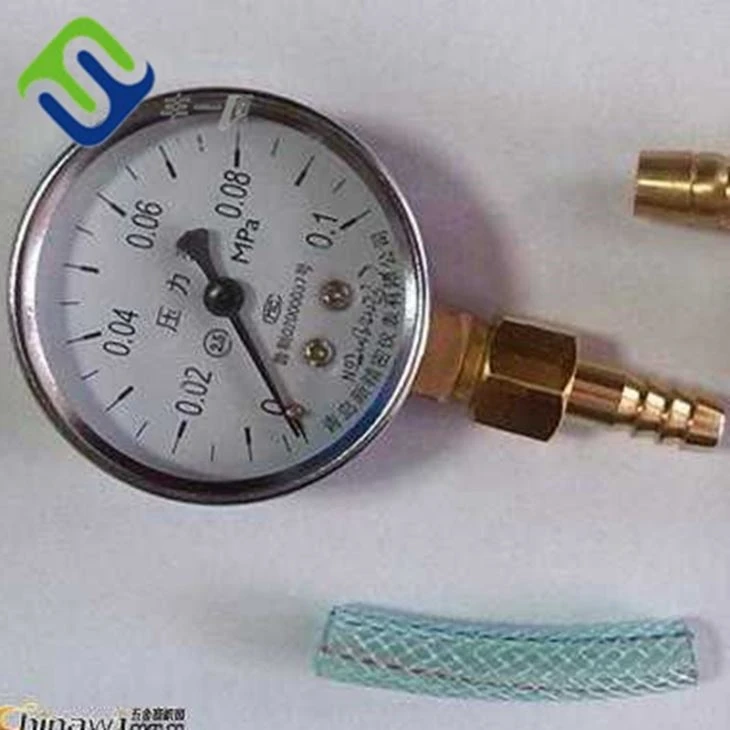
Regular pressure monitoring is an important aspect of maintenance. Use a reliable pressure gauge to check the pressure of the balloon during inflation and while it is in use. If the pressure drops unexpectedly, it may indicate a leak in the balloon. In such cases, immediately stop using the balloon and conduct a detailed inspection to locate and repair the leak.
6. Leak Detection and Repair
Even with proper maintenance, leaks can still occur in culvert making balloons. To detect leaks, you can use a soapy water solution. Apply the solution to the surface of the balloon and look for bubbles. If bubbles appear, it indicates the presence of a leak.
For small leaks, you can use a suitable rubber repair kit to patch the hole. Follow the instructions provided with the repair kit carefully. For larger leaks or if the balloon has suffered significant damage, it may be necessary to replace the balloon.
7. Environmental Considerations
Culvert making balloons are often used in various environmental conditions. In areas with high humidity, extra care should be taken to prevent corrosion of the valve and other metal components. In cold climates, the rubber may become more brittle, so it is important to handle the balloons gently during inflation and deflation.
In addition, if the balloons are used in areas with high levels of pollution or chemical exposure, more frequent cleaning and inspection may be required to ensure their performance and safety.
8. Regular Maintenance Schedule
Establishing a regular maintenance schedule is essential. Depending on the frequency of use, a maintenance checklist should be created. For example, if the balloons are used frequently, a pre - use inspection, cleaning, and pressure check should be done before each use. A more comprehensive inspection, including leak detection and dimension measurement, can be carried out on a monthly or quarterly basis.
Why Choose Our Culvert Making Balloons
At our company, we are committed to providing high - quality culvert making balloons. Our balloons are made from premium rubber materials, ensuring durability and reliability. We also offer a wide range of sizes and specifications to meet the diverse needs of our customers.

If you are interested in our Culvert Making Rubber Airbag, or specifically looking for Kenya Culvert Making Ballons or Kenya Culvert Making Balloons, we are here to assist you. Our team of experts can provide you with detailed information about the balloons and offer professional advice on maintenance and usage.
If you have any questions or would like to discuss a potential purchase, please feel free to contact us. We look forward to partnering with you in your culvert construction projects.
References
- "Rubber Product Maintenance Guide", Industry Standard Publication
- "Best Practices in Culvert Construction", Construction Technology Journal