

Hey there! As a supplier of Ship Launching Airbags, I've seen my fair share of ups and downs in this industry. Ship launching airbags are super handy, but like any other product, they can run into some common failures. In this blog, I'll break down these issues and share how we can solve them.
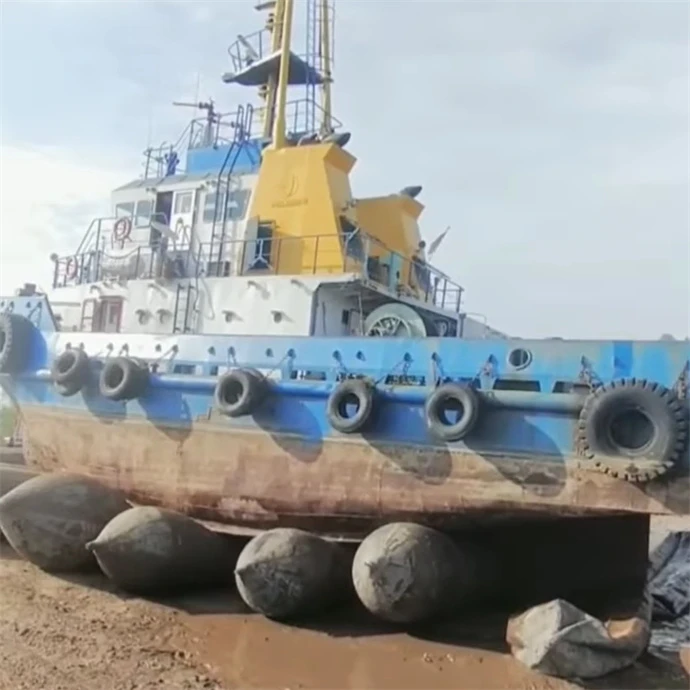

Common Failures of Ship Launching Airbags
Over - inflation
One of the most frequent problems is over - inflation. When we inflate the airbags too much, the internal pressure becomes way too high. This can cause the airbag material to stretch beyond its limits. Think of it like blowing up a balloon too much; eventually, it's going to pop. Over - inflated airbags are at a high risk of bursting during the ship - launching process. This not only halts the launching operation but can also be extremely dangerous for the workers on - site.
Under - inflation
On the flip side, under - inflation is also a big no - no. When the airbags are not inflated enough, they can't support the weight of the ship properly. The ship might end up unevenly distributed on the airbags, leading to some airbags bearing more weight than they're designed for. This can cause premature wear and tear, and in some cases, the airbags can even get crushed under the excessive load.
Abrasion
Abrasion is another common failure. During the ship - launching process, the airbags are in constant contact with the ground and the ship's hull. If the surface is rough, like a rocky or gravelly ground, it can cause the outer layer of the airbag to wear down. This abrasion weakens the airbag's structure over time and makes it more prone to leaks or even bursting.
Aging and Material Degradation
Airbags are made of rubber and other materials, and like all things, they age. Exposure to sunlight, heat, and humidity can cause the rubber to degrade. Cracks start to form on the surface of the airbag, which can gradually spread and compromise the integrity of the airbag. If you're using old airbags that have undergone significant material degradation, you're setting yourself up for failure during the ship - launching.
Improper Installation
Installing the airbags incorrectly is a recipe for disaster. If the airbags are not placed in a straight line or at the right intervals, it can lead to uneven weight distribution. Also, if the airbags are not connected properly or secured in place, they can shift during the launching process, causing the ship to tilt or even capsize.
How to Solve These Problems
Over - inflation
To avoid over - inflation, we need to follow the manufacturer's guidelines strictly. Each airbag has a recommended inflation pressure range, and we should use a reliable pressure gauge to monitor the inflation process. Before starting the inflation, double - check the pressure gauge to make sure it's working correctly. And don't rush the inflation; take your time to ensure the pressure is within the safe range.
Under - inflation
For under - inflation, again, refer to the manufacturer's instructions. Make sure you have a clear understanding of the minimum inflation pressure required for the specific airbag and the weight of the ship. Use a high - quality air compressor to inflate the airbags evenly. You can also do a pre - launch inspection to check if the airbags are supporting the ship evenly. If you notice any signs of uneven support, add a bit more air to the under - inflated airbags.
Abrasion
To prevent abrasion, we can use protective covers on the airbags. These covers are made of durable materials that can withstand the friction from rough surfaces. Before placing the airbags on the ground, clean the area to remove any sharp objects or debris. If possible, lay a smooth and flat surface, like a wooden board or a rubber mat, between the airbags and the ground.
Aging and Material Degradation
Regularly inspect the airbags for signs of aging and material degradation. If you notice any cracks, discoloration, or soft spots on the airbag, it's time to replace it. Store the airbags in a cool, dry place away from direct sunlight when they're not in use. You can also apply a protective coating to the airbags to slow down the aging process.
Improper Installation
Proper installation is crucial. Train your installation team thoroughly on the correct installation procedures. Use alignment tools to ensure the airbags are placed in a straight line. Secure the airbags firmly using straps or ropes to prevent them from shifting. And always do a final inspection before the ship - launching to make sure everything is in place.
Our Products and Why They're Great
As a Ship Launching Airbag supplier, we offer a wide range of high - quality airbags. Our Rubber Ballon For Ship Launching is made of top - grade rubber that can withstand high pressure and abrasion. These airbags are designed to provide maximum support during the ship - launching process.
Our Ship Upgrading And Launching Airbags are perfect for upgrading existing ships or launching new ones. They are built with advanced technology to ensure even weight distribution and reliable performance.
And our Inflatable Landing Rubber Airbag is ideal for safe landings during the ship - launching. These airbags are highly flexible and can adapt to different surface conditions.
Contact Us for Purchase and Consultation
If you're in the market for high - quality Ship Launching Airbags, look no further. We're here to provide you with the best products and services. Whether you have questions about our airbags, need help with installation, or want to discuss your specific ship - launching requirements, don't hesitate to reach out. Contact us, and let's start a conversation about how we can make your ship - launching process smooth and successful.
References
- Ship Launching Airbag Manufacturer's Manuals
- Industry Standards for Ship Launching using Airbags
- Research Papers on Marine Rubber Products and Their Applications