

As a reputable Marine Air Bag supplier, ensuring the quality of our products is of utmost importance. Marine air bags are crucial components in various marine operations, such as ship launching, ship upgrading, and floating pontoon launching. Therefore, it is essential to have a comprehensive testing process to guarantee their reliability and performance. In this blog, I will share some key methods on how to test the quality of a marine air bag.
Visual Inspection
The first step in testing a marine air bag is a thorough visual inspection. This involves examining the external surface of the air bag for any visible defects, such as cuts, abrasions, punctures, or signs of wear and tear. A damaged air bag can compromise its integrity and lead to failure during use. Check the fabric of the air bag for any signs of fraying or delamination. The fabric should be smooth, without any loose threads or uneven areas.
Inspect the valve and connection points of the air bag. The valve should be in good working condition, with no signs of leakage or damage. The connection points should be secure and free from any cracks or deformities. Any issues with the valve or connection points can result in air leakage, which can affect the performance of the air bag.
Pressure Testing
Pressure testing is a critical step in determining the quality of a marine air bag. This test involves filling the air bag with air to a specified pressure and monitoring it for a certain period to ensure that it can maintain the pressure without any significant loss. To conduct a pressure test, you will need a pressure gauge and a reliable air source.
First, connect the air source to the valve of the air bag and gradually fill it with air until it reaches the recommended pressure. The recommended pressure can usually be found in the product specifications provided by the manufacturer. Once the air bag reaches the desired pressure, close the valve and disconnect the air source.
Use a pressure gauge to monitor the pressure inside the air bag over a period of time, typically 24 hours. A high - quality marine air bag should maintain the pressure within an acceptable range during this period. If the pressure drops significantly, it indicates a potential problem with the air bag, such as a leak or a weakness in the fabric.
Load Testing
Load testing is another important method for testing the quality of a marine air bag. This test simulates the actual working conditions of the air bag by applying a load to it and observing its performance. Load testing can help determine the maximum load capacity of the air bag and ensure that it can safely support the intended weight during marine operations.
To conduct a load test, you will need a suitable loading device, such as a hydraulic press or a weight stack. Place the air bag on a flat and stable surface and gradually apply the load to the center of the air bag. The load should be increased in increments until the air bag reaches its maximum capacity or until a failure occurs.
During the load test, closely monitor the air bag for any signs of deformation, such as bulging or sagging. The air bag should be able to distribute the load evenly and maintain its shape without any excessive deformation. If the air bag fails to support the load or shows signs of abnormal deformation, it may not meet the required quality standards.
Tensile Strength Testing
Tensile strength testing measures the ability of the air bag fabric to withstand stretching forces. This test is important because marine air bags are often subjected to high - tension forces during use, such as when they are inflated or when they support heavy loads.
To conduct a tensile strength test, a sample of the air bag fabric is cut and placed in a tensile testing machine. The machine gradually applies a pulling force to the sample until it breaks. The maximum force that the sample can withstand before breaking is recorded as the tensile strength of the fabric.
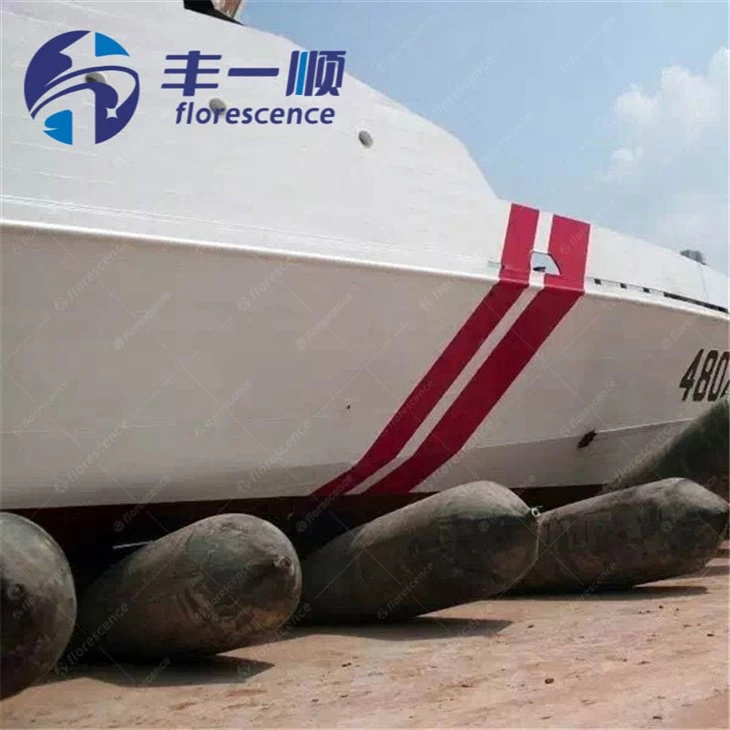

A high - quality marine air bag should have a fabric with sufficient tensile strength to withstand the forces it will encounter during normal use. The tensile strength requirements may vary depending on the specific application of the air bag, so it is important to refer to the relevant industry standards and product specifications.
Chemical Resistance Testing
Marine air bags are exposed to various chemicals in the marine environment, such as saltwater, oil, and chemicals used in shipbuilding and maintenance. Therefore, it is important to test the chemical resistance of the air bag fabric to ensure that it can withstand these substances without significant degradation.
Chemical resistance testing involves exposing a sample of the air bag fabric to different chemicals for a specified period of time. The chemicals used in the test should be representative of the substances that the air bag is likely to encounter in its actual use. After the exposure period, the sample is examined for any signs of damage, such as discoloration, swelling, or loss of strength.
A marine air bag with good chemical resistance will show minimal signs of damage after the chemical exposure test. This ensures that the air bag can maintain its performance and integrity in the harsh marine environment.
Fatigue Testing
Fatigue testing is used to evaluate the long - term durability of a marine air bag. This test simulates the repeated inflation and deflation cycles that the air bag will experience during its service life. By subjecting the air bag to a large number of inflation and deflation cycles, fatigue testing can identify any potential weaknesses or failures that may occur over time.
To conduct a fatigue test, the air bag is inflated and deflated repeatedly using a specialized testing device. The number of cycles and the inflation pressure used in the test are determined based on the expected service life and operating conditions of the air bag.
During the fatigue test, the air bag is closely monitored for any signs of damage, such as cracks, leaks, or fabric degradation. If the air bag shows signs of failure or significant degradation after a certain number of cycles, it may not be suitable for long - term use.
Conclusion
Testing the quality of a marine air bag is a multi - step process that involves a combination of visual inspection, pressure testing, load testing, tensile strength testing, chemical resistance testing, and fatigue testing. By conducting these tests, we can ensure that our marine air bags meet the highest quality standards and are reliable and safe for use in various marine operations.
At our company, we are committed to providing high - quality marine air bags that are rigorously tested to ensure their performance and durability. Whether you are in need of Launching Air Bag, Ship Upgrading And Launching Airbags, or Ship Floating Pontoon Launching Balloon, we have the right products for you.
If you are interested in purchasing our marine air bags or have any questions about our testing process, please feel free to contact us for further discussion. We look forward to working with you to meet your marine air bag needs.
References
- International Maritime Organization (IMO) Guidelines for the Safe Use of Marine Airbags in Ship - related Operations.
- American Society for Testing and Materials (ASTM) Standards for Marine Air Bags.
- Manufacturer's Product Specifications and Technical Documents.