
 Tel: +86-532-86760999 Ext: 802
 E-mail:


As a supplier of Floating Foam Buoys, I've gotten tons of questions about how to adjust the buoyancy of these buoys. It's a pretty common concern, especially for those who are new to using floating foam buoys in various applications, like in marine environments or for water sports. In this blog, I'll share some practical ways to make these adjustments, so you can get the most out of your floating foam buoys.
First off, let's understand what buoyancy is. Buoyancy is the upward force that keeps objects floating in a fluid, like water. It's determined by Archimedes' principle, which states that the buoyant force on an object is equal to the weight of the fluid displaced by the object. For floating foam buoys, the foam material plays a crucial role in providing buoyancy because it's less dense than water.
One of the simplest ways to adjust the buoyancy of a floating foam buoy is by changing its size. A larger buoy will displace more water, and according to Archimedes' principle, it'll experience a greater buoyant force. So, if you need more buoyancy, you can opt for a bigger buoy. On the flip side, if you find that the buoy is too buoyant and you want it to sit lower in the water, a smaller one might be the way to go. This is a straightforward solution, but it might not always be practical, especially if you already have the buoy and can't easily replace it.
Another method is to modify the foam density. Foam comes in different densities, and the less dense the foam, the more buoyant it'll be. When we manufacture our floating foam buoys, we use high - quality foam materials with specific densities. But if you want to make some adjustments on your own, you can try adding or removing foam from the buoy. For example, if you want to increase the buoyancy, you can add more low - density foam to the inside of the buoy. However, you need to be careful not to damage the buoy's structure while doing this.
Sometimes, you might need to add weights to the buoy to adjust its buoyancy. This is useful when you want the buoy to stay more stable in the water or when you need it to sit at a certain depth. You can attach weights to the bottom of the buoy using strong cords or straps. The amount of weight you add depends on how much you want to change the buoyancy. Start with a small amount and test the buoy in the water. Then, you can gradually add more weights until you achieve the desired effect.
If you're using the floating foam buoy in different water conditions, the salinity and temperature of the water can also affect its buoyancy. Saltwater is denser than freshwater, so a buoy will float higher in saltwater than in freshwater. Similarly, warmer water is less dense than colder water. So, if you move the buoy from cold to warm water or from freshwater to saltwater, you might need to adjust its buoyancy accordingly.
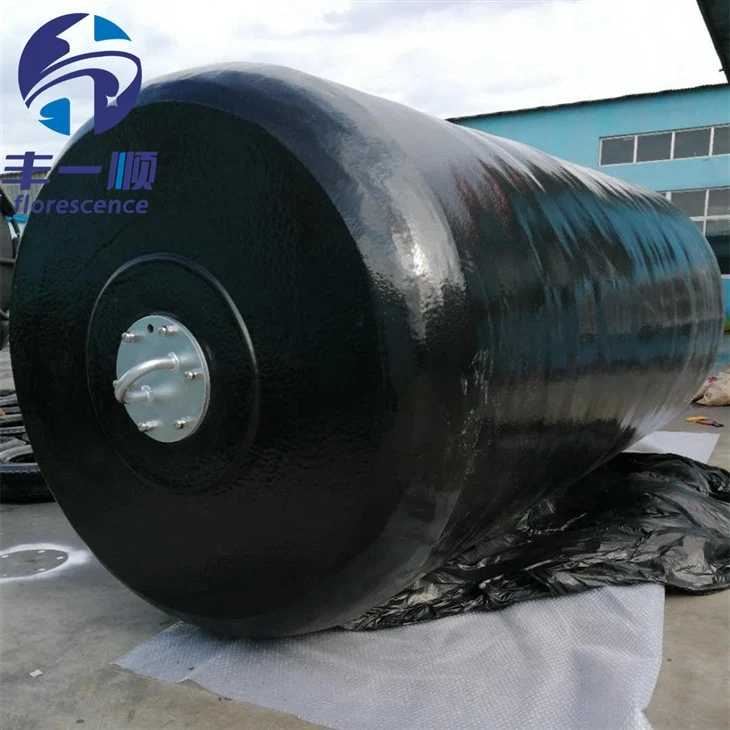
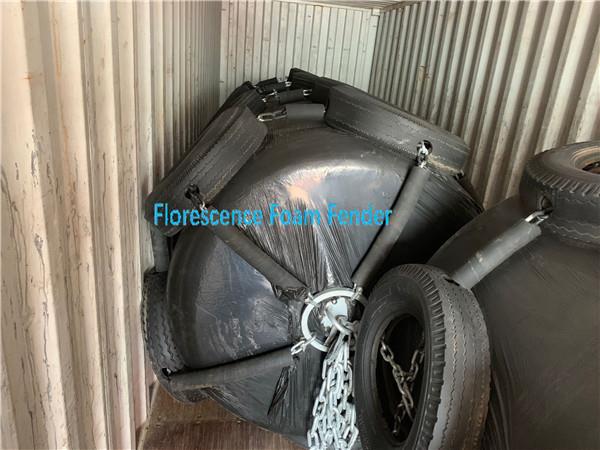
Now, let's talk about some of the related products we offer. We also have Foam Filled Fender which are great for protecting boats and other marine structures. These fenders work on similar principles of buoyancy and are made with high - quality foam materials. Our Floating Foam Fender are designed to float on the water's surface and provide excellent protection. And if you're in the marine industry, our Marine Foam Filled Fenders are specifically engineered to withstand the harsh marine environment.
In conclusion, adjusting the buoyancy of a floating foam buoy is all about understanding the basic principles of buoyancy and using practical methods like changing the size, foam density, or adding weights. It's also important to consider the water conditions in which the buoy will be used. Whether you're a water sports enthusiast, a marine professional, or just someone who needs a floating foam buoy for a specific project, getting the buoyancy right is crucial for its proper function.
If you're interested in our floating foam buoys or any of our related products, we'd love to have a chat with you. Contact us to start a conversation about your specific needs, and we'll work together to find the best solutions for you.
References
- Archimedes' Principle: Basic Physics Concepts
- Foam Material Properties and Applications in Marine Industry


